42 products
-

 Djeco Puzzle, World Animals Puzzle - 100 Pieces + BookVendor:Djeco Puzzle, World Animals Puzzle - 100 Pieces + BookDjecoIn stock
- Regular price
-
€18,95 EUR - Sale price
-
€18,95 EUR - Regular price
-
€0,00 EUR
-

 Djeco Puzzle, Dinosaur - 100 Pieces + BookVendor:Djeco Puzzle, Dinosaur - 100 Pieces + BookDjecoIn stock
- Regular price
-
€18,95 EUR - Sale price
-
€18,95 EUR - Regular price
-
€0,00 EUR
-

 Djeco Puzzle, World Monuments - 200 PiecesVendor:Djeco Puzzle, World Monuments - 200 PiecesDjecoIn stock
- Regular price
-
€18,95 EUR - Sale price
-
€18,95 EUR - Regular price
-
€0,00 EUR
-

 Djeco Observation Puzzle – Enchanted Forest, 100 PiecesVendor:Djeco Observation Puzzle – Enchanted Forest, 100 PiecesDjecoIn stock
- Regular price
-
€16,95 EUR - Sale price
-
€16,95 EUR - Regular price
-
€0,00 EUR
-

 Djeco Observation Puzzle: World HistoryVendor:Djeco Observation Puzzle: World HistoryDjecoIn stock
- Regular price
-
€23,95 EUR - Sale price
-
€23,95 EUR - Regular price
-
€0,00 EUR
-
 Eeboo Puzzle, Copenhagen – 1000 PiecesVendor:Eeboo Puzzle, Copenhagen – 1000 PiecesEebooIn stock
- Regular price
-
€33,95 EUR - Sale price
-
€33,95 EUR - Regular price
-
€0,00 EUR
-

 Djeco Observation Puzzle, Pirate - 100 PiecesVendor:Djeco Observation Puzzle, Pirate - 100 PiecesDjecoIn stock
- Regular price
-
€16,95 EUR - Sale price
-
€16,95 EUR - Regular price
-
€0,00 EUR
-

 Djeco Observation Puzzle – Horses, 200 PiecesVendor:Djeco Observation Puzzle – Horses, 200 PiecesDjecoIn stock
- Regular price
-
€16,95 EUR - Sale price
-
€16,95 EUR - Regular price
-
€0,00 EUR
-

 Djeco Observation Puzzle, Space + Fold-Out Poster – 200 PiecesVendor:Djeco Observation Puzzle, Space + Fold-Out Poster – 200 PiecesDjecoIn stock
- Regular price
-
€18,95 EUR - Sale price
-
€18,95 EUR - Regular price
-
€0,00 EUR
-

 Eeboo Puzzle, Paris - 1000 PiecesVendor:Eeboo Puzzle, Paris - 1000 PiecesEebooIn stock
- Regular price
-
€33,95 EUR - Sale price
-
€33,95 EUR - Regular price
-
€0,00 EUR
-

 Djeco Observation Puzzle, Dance School - 100 PiecesVendor:Djeco Observation Puzzle, Dance School - 100 PiecesDjecoIn stock
- Regular price
-
€17,95 EUR - Sale price
-
€17,95 EUR - Regular price
-
€0,00 EUR
-

 Eeboo Puzzle, Dinoland - 100 PiecesVendor:Eeboo Puzzle, Dinoland - 100 PiecesEebooSold out
- Regular price
-
€23,95 EUR - Sale price
-
€23,95 EUR - Regular price
-
€0,00 EUR
-

 eeBoo, Round Puzzle 1000 Pieces - AfricaVendor:eeBoo, Round Puzzle 1000 Pieces - AfricaEebooIn stock
- Regular price
-
€16,95 EUR - Sale price
-
€16,95 EUR - Regular price
-
€27,95 EUR
-

 Janod Puzzle in Carry Case, World - 100 PiecesVendor:Janod Puzzle in Carry Case, World - 100 PiecesJanodIn stock
- Regular price
-
€27,95 EUR - Sale price
-
€27,95 EUR - Regular price
-
€0,00 EUR
-

 Eeboo Puzzle, Sharks in the Deep - 100 PiecesVendor:Eeboo Puzzle, Sharks in the Deep - 100 PiecesEebooIn stock
- Regular price
-
€23,95 EUR - Sale price
-
€23,95 EUR - Regular price
-
€0,00 EUR
-
 Vilac Magnetic World Map - English Edition by Ingela P. ArrheniusVendor:Vilac Magnetic World Map - English Edition by Ingela P. ArrheniusVilacIn stock
- Regular price
-
€81,95 EUR - Sale price
-
€81,95 EUR - Regular price
-
€0,00 EUR
-

 Djeco Observation Puzzle, City - 200 PiecesVendor:Djeco Observation Puzzle, City - 200 PiecesDjecoIn stock
- Regular price
-
€17,95 EUR - Sale price
-
€17,95 EUR - Regular price
-
€0,00 EUR
-
 Educa Puzzle, World Map with Animals - 150 PiecesVendor:Educa Puzzle, World Map with Animals - 150 PiecesEducaSold out
- Regular price
-
€12,95 EUR - Sale price
-
€12,95 EUR - Regular price
-
€0,00 EUR
-

 Moulin Roty, Puzzle 100 Pieces, The Secret Hideout - Les RosaliesVendor:Moulin Roty, Puzzle 100 Pieces, The Secret Hideout - Les RosaliesMoulin RotyIn stock
- Regular price
-
€21,95 EUR - Sale price
-
€21,95 EUR - Regular price
-
€0,00 EUR
-

 Educa Puzzle, World Map - 200 PiecesVendor:Educa Puzzle, World Map - 200 PiecesEducaSold out
- Regular price
-
€10,95 EUR - Sale price
-
€10,95 EUR - Regular price
-
€0,00 EUR
-
 Educa Puzzle, The Solar System - 150 PiecesVendor:Educa Puzzle, The Solar System - 150 PiecesEducaSold out
- Regular price
-
€12,95 EUR - Sale price
-
€12,95 EUR - Regular price
-
€0,00 EUR
-

 Educa Puzzle, Dinosaurs World Map - 150 PiecesVendor:Educa Puzzle, Dinosaurs World Map - 150 PiecesEducaSold out
- Regular price
-
€12,95 EUR - Sale price
-
€12,95 EUR - Regular price
-
€0,00 EUR
-

 eeBoo Puzzle 100 Pieces, Love from the OctopusVendor:eeBoo Puzzle 100 Pieces, Love from the OctopusEebooIn stock
- Regular price
-
€25,95 EUR - Sale price
-
€25,95 EUR - Regular price
-
€0,00 EUR
-

 Djeco Gallery Puzzle, Music in the Woods - 200 PiecesVendor:Djeco Gallery Puzzle, Music in the Woods - 200 PiecesDjecoIn stock
- Regular price
-
€20,95 EUR - Sale price
-
€20,95 EUR - Regular price
-
€0,00 EUR
-
 Educa Puzzle, Dinosaur - 100 PiecesVendor:Educa Puzzle, Dinosaur - 100 PiecesEducaSold out
- Regular price
-
€9,95 EUR - Sale price
-
€9,95 EUR - Regular price
-
€0,00 EUR
-

 Janod Educational Puzzle – The Solar System, 100 PiecesVendor:Janod Educational Puzzle – The Solar System, 100 PiecesJanodIn stock
- Regular price
-
€29,95 EUR - Sale price
-
€29,95 EUR - Regular price
-
€0,00 EUR
-

 Moulin Roty Puzzle 200 Pieces, All Aboard the Ship - A L'abordageVendor:Moulin Roty Puzzle 200 Pieces, All Aboard the Ship - A L'abordageMoulin RotyIn stock
- Regular price
-
€32,95 EUR - Sale price
-
€32,95 EUR - Regular price
-
€0,00 EUR
-

 eeBoo Round Puzzle 500 Pieces, Seahorses Shells & CoralVendor:eeBoo Round Puzzle 500 Pieces, Seahorses Shells & CoralEebooIn stock
- Regular price
-
€33,95 EUR - Sale price
-
€33,95 EUR - Regular price
-
€0,00 EUR
-

 Moulin Roty 350-Piece Puzzle, A Little Street in Paris – Les ParisiennesVendor:Moulin Roty 350-Piece Puzzle, A Little Street in Paris – Les ParisiennesMoulin RotyIn stock
- Regular price
-
€29,95 EUR - Sale price
-
€29,95 EUR - Regular price
-
€0,00 EUR
-

 Djeco Observation Puzzle, Secrets of the Sea - 200 PiecesVendor:Djeco Observation Puzzle, Secrets of the Sea - 200 PiecesDjecoIn stock
- Regular price
-
€17,95 EUR - Sale price
-
€17,95 EUR - Regular price
-
€0,00 EUR
-

 Djeco Silhouette Puzzle, Polar - 54 PiecesVendor:Djeco Silhouette Puzzle, Polar - 54 PiecesDjecoIn stock
- Regular price
-
€16,95 EUR - Sale price
-
€16,95 EUR - Regular price
-
€0,00 EUR
-

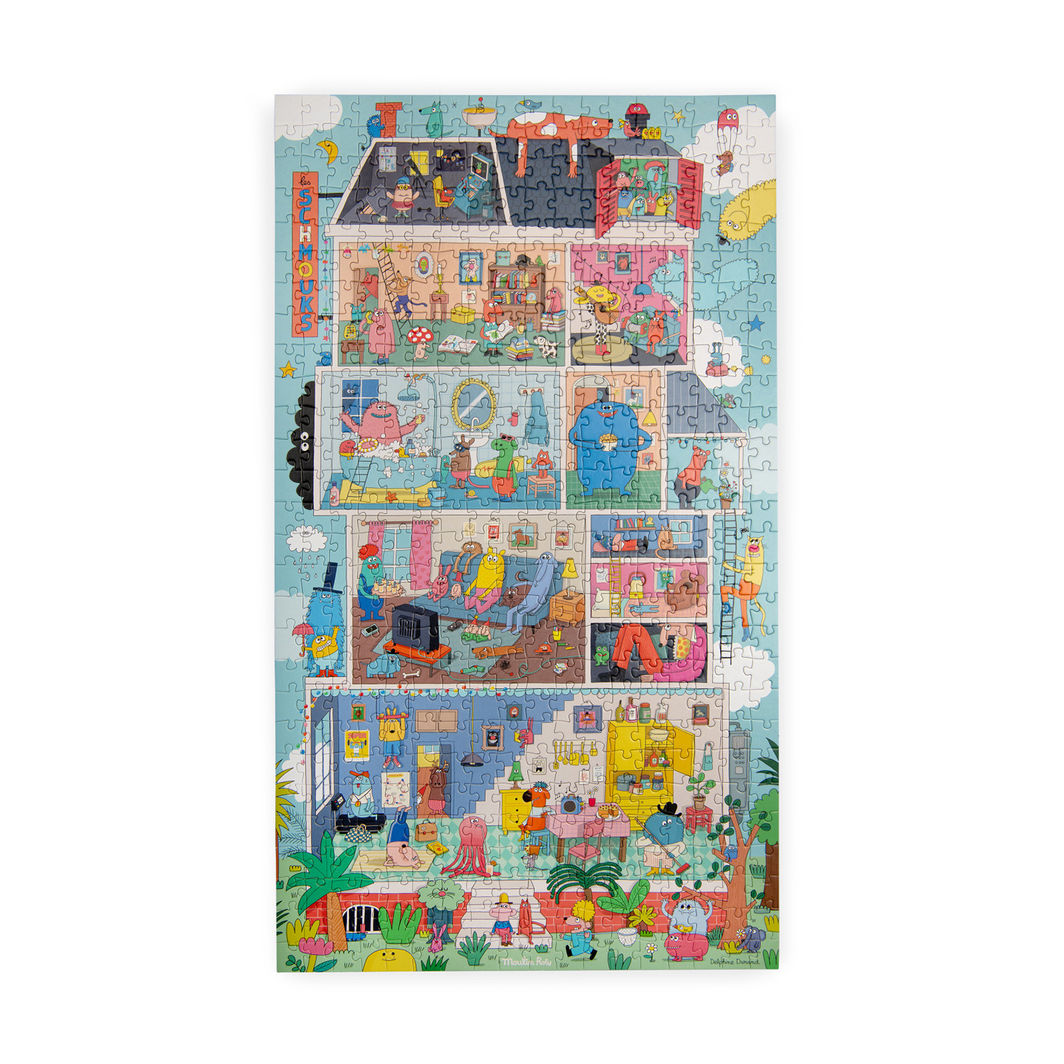
 Moulin Roty Jigsaw Puzzle, 500 pieces – Home of the SchmouksVendor:Moulin Roty Jigsaw Puzzle, 500 pieces – Home of the SchmouksMoulin RotyIn stock
- Regular price
-
€37,95 EUR - Sale price
-
€37,95 EUR - Regular price
-
€0,00 EUR
-

 Djeco Gallery Puzzle – Dreams 350 PiecesVendor:Djeco Gallery Puzzle – Dreams 350 PiecesDjecoIn stock
- Regular price
-
€20,95 EUR - Sale price
-
€20,95 EUR - Regular price
-
€0,00 EUR
-

 Djeco Silhouette Puzzle, Jungle - 54 PiecesVendor:Djeco Silhouette Puzzle, Jungle - 54 PiecesDjecoIn stock
- Regular price
-
€16,95 EUR - Sale price
-
€16,95 EUR - Regular price
-
€0,00 EUR
-
 Change Our Globe Puzzle, Pug - 100 PiecesVendor:Change Our Globe Puzzle, Pug - 100 PiecesChange our globeIn stock
- Regular price
-
€8,95 EUR - Sale price
-
€8,95 EUR - Regular price
-
€13,95 EUR
-

 Londji Pocket Puzzle, Vroom Vroom - 50 PiecesVendor:Londji Pocket Puzzle, Vroom Vroom - 50 PiecesLondjiSold out
- Regular price
-
€18,95 EUR - Sale price
-
€18,95 EUR - Regular price
-
€0,00 EUR
-

 Londji Puzzle, Reversible, Welcome to My Home - 36 PiecesVendor:Londji Puzzle, Reversible, Welcome to My Home - 36 PiecesLondjiSold out
- Regular price
-
€20,95 EUR - Sale price
-
€20,95 EUR - Regular price
-
€0,00 EUR
-

 Londji Puzzle, Look Up - 100 PiecesVendor:Londji Puzzle, Look Up - 100 PiecesLondjiSold out
- Regular price
-
€32,95 EUR - Sale price
-
€32,95 EUR - Regular price
-
€0,00 EUR
-

 Djeco Puzzle, At the Museum - 500 PiecesVendor:Djeco Puzzle, At the Museum - 500 PiecesDjecoIn stock
- Regular price
-
€23,95 EUR - Sale price
-
€23,95 EUR - Regular price
-
€0,00 EUR
-

 Djeco Gallery Puzzle – A Summer Day 350 PiecesVendor:Djeco Gallery Puzzle – A Summer Day 350 PiecesDjecoIn stock
- Regular price
-
€20,95 EUR - Sale price
-
€20,95 EUR - Regular price
-
€0,00 EUR
-

 eeBoo Puzzle 100 Pieces, Dragon's WorldVendor:eeBoo Puzzle 100 Pieces, Dragon's WorldeeBooIn stock
- Regular price
-
€27,95 EUR - Sale price
-
€27,95 EUR - Regular price
-
€0,00 EUR
-

 Banana Panda Giant Puzzle, Solar System - 300 PiecesVendor:Banana Panda Giant Puzzle, Solar System - 300 PiecesBanana PandaIn stock
- Regular price
-
€45,95 EUR - Sale price
-
€45,95 EUR - Regular price
-
€0,00 EUR


Find jigsaw puzzles for children aged 7–8, with engaging pictures, little details and plenty of opportunity to get absorbed. Get inspired to find a great puzzle for a 7- or 8-year-old, from manageable designs to bigger puzzling projects. Choose one based on your child’s experience, the picture and the recommended age range.

Puzzles for children aged 7–8, with plenty to explore.

A good jigsaw puzzle for a 7-year-old
Jigsaw puzzles for an 8-year-old – choose the right level of challenge

Puzzles for School-Age Children with Room for Stories
Find more puzzles


Puzzles and the Little Strategies Along the Way