57 products
-

 Djeco Observation Puzzle – Enchanted Forest, 100 PiecesVendor:Djeco Observation Puzzle – Enchanted Forest, 100 PiecesDjecoIn stock
- Regular price
-
€16,95 EUR - Sale price
-
€16,95 EUR - Regular price
-
€0,00 EUR
-

 Djeco Observation Puzzle: World HistoryVendor:Djeco Observation Puzzle: World HistoryDjecoIn stock
- Regular price
-
€23,95 EUR - Sale price
-
€23,95 EUR - Regular price
-
€0,00 EUR
-
 Eeboo Puzzle, Copenhagen – 1000 PiecesVendor:Eeboo Puzzle, Copenhagen – 1000 PiecesEebooIn stock
- Regular price
-
€33,95 EUR - Sale price
-
€33,95 EUR - Regular price
-
€0,00 EUR
-

 Djeco Observation Puzzle, Pirate - 100 PiecesVendor:Djeco Observation Puzzle, Pirate - 100 PiecesDjecoIn stock
- Regular price
-
€16,95 EUR - Sale price
-
€16,95 EUR - Regular price
-
€0,00 EUR
-

 Djeco Observation Puzzle – Horses, 200 PiecesVendor:Djeco Observation Puzzle – Horses, 200 PiecesDjecoIn stock
- Regular price
-
€16,95 EUR - Sale price
-
€16,95 EUR - Regular price
-
€0,00 EUR
-

 Djeco Observation Puzzle, Space + Fold-Out Poster – 200 PiecesVendor:Djeco Observation Puzzle, Space + Fold-Out Poster – 200 PiecesDjecoIn stock
- Regular price
-
€18,95 EUR - Sale price
-
€18,95 EUR - Regular price
-
€0,00 EUR
-

 Eeboo Puzzle, Paris - 1000 PiecesVendor:Eeboo Puzzle, Paris - 1000 PiecesEebooIn stock
- Regular price
-
€33,95 EUR - Sale price
-
€33,95 EUR - Regular price
-
€0,00 EUR
-

 Eeboo Puzzle, Magical Amsterdam – 1000 PiecesVendor:Eeboo Puzzle, Magical Amsterdam – 1000 PiecesEebooIn stock
- Regular price
-
€33,95 EUR - Sale price
-
€33,95 EUR - Regular price
-
€0,00 EUR
-

 eeBoo, Round Puzzle 1000 Pieces - AfricaVendor:eeBoo, Round Puzzle 1000 Pieces - AfricaEebooIn stock
- Regular price
-
€16,95 EUR - Sale price
-
€16,95 EUR - Regular price
-
€27,95 EUR
-
 Vilac Magnetic World Map - English Edition by Ingela P. ArrheniusVendor:Vilac Magnetic World Map - English Edition by Ingela P. ArrheniusVilacIn stock
- Regular price
-
€81,95 EUR - Sale price
-
€81,95 EUR - Regular price
-
€0,00 EUR
-

 eeBoo Jigsaw Puzzle 1000 Pieces, StockholmVendor:eeBoo Jigsaw Puzzle 1000 Pieces, StockholmEebooIn stock
- Regular price
-
€33,95 EUR - Sale price
-
€33,95 EUR - Regular price
-
€0,00 EUR
-
 Educa Puzzle, World Map with Animals - 150 PiecesVendor:Educa Puzzle, World Map with Animals - 150 PiecesEducaSold out
- Regular price
-
€12,95 EUR - Sale price
-
€12,95 EUR - Regular price
-
€0,00 EUR
-

 eeBoo Jigsaw Puzzle 1000 Pieces, English Green MarketVendor:eeBoo Jigsaw Puzzle 1000 Pieces, English Green MarketEebooIn stock
- Regular price
-
€33,95 EUR - Sale price
-
€33,95 EUR - Regular price
-
€0,00 EUR
-

 eeBoo Jigsaw Puzzle 1000 Pieces, Swedish Holiday KitchenVendor:eeBoo Jigsaw Puzzle 1000 Pieces, Swedish Holiday KitchenEebooIn stock
- Regular price
-
€33,95 EUR - Sale price
-
€33,95 EUR - Regular price
-
€0,00 EUR
-

 Educa Puzzle, Dinosaurs World Map - 150 PiecesVendor:Educa Puzzle, Dinosaurs World Map - 150 PiecesEducaSold out
- Regular price
-
€12,95 EUR - Sale price
-
€12,95 EUR - Regular price
-
€0,00 EUR
-

 eeBoo Puzzle 1000 pieces, Village by the SeaVendor:eeBoo Puzzle 1000 pieces, Village by the SeaeeBooIn stock
- Regular price
-
€33,95 EUR - Sale price
-
€33,95 EUR - Regular price
-
€0,00 EUR
-
 eeBoo Puzzle 1000 pcs, Artist's CottageVendor:eeBoo Puzzle 1000 pcs, Artist's CottageEebooIn stock
- Regular price
-
€33,95 EUR - Sale price
-
€33,95 EUR - Regular price
-
€0,00 EUR
-

 eeBoo Puzzle, 1000 Pieces – Paris BooksellerVendor:eeBoo Puzzle, 1000 Pieces – Paris BooksellerEebooIn stock
- Regular price
-
€33,95 EUR - Sale price
-
€33,95 EUR - Regular price
-
€0,00 EUR
-

 Janod Educational Puzzle – The Solar System, 100 PiecesVendor:Janod Educational Puzzle – The Solar System, 100 PiecesJanodIn stock
- Regular price
-
€29,95 EUR - Sale price
-
€29,95 EUR - Regular price
-
€0,00 EUR
-

 eeBoo Puzzle 1000 Pieces, The Alchemist's HomeVendor:eeBoo Puzzle 1000 Pieces, The Alchemist's HomeEebooIn stock
- Regular price
-
€33,95 EUR - Sale price
-
€33,95 EUR - Regular price
-
€0,00 EUR
-
 eeBoo Puzzle with 1000 Pieces, Seaside HarborVendor:eeBoo Puzzle with 1000 Pieces, Seaside HarborEebooIn stock
- Regular price
-
€33,95 EUR - Sale price
-
€33,95 EUR - Regular price
-
€0,00 EUR
-
 eeBoo Puzzle with 1000 Pieces, LisbonVendor:eeBoo Puzzle with 1000 Pieces, LisbonEebooIn stock
- Regular price
-
€33,95 EUR - Sale price
-
€33,95 EUR - Regular price
-
€0,00 EUR
-
 Educa Puzzle, Great White Shark - 500 PiecesVendor:Educa Puzzle, Great White Shark - 500 PiecesEducaSold out
- Regular price
-
€9,95 EUR - Sale price
-
€9,95 EUR - Regular price
-
€0,95 EUR
-

 eeBoo Puzzle 1000 Pieces, Alchemist's KitchenVendor:eeBoo Puzzle 1000 Pieces, Alchemist's KitchenEebooIn stock
- Regular price
-
€33,95 EUR - Sale price
-
€33,95 EUR - Regular price
-
€0,00 EUR
-

 eeBoo Puzzle 1000 Pieces, Seasons in KyotoVendor:eeBoo Puzzle 1000 Pieces, Seasons in KyotoEebooIn stock
- Regular price
-
€33,95 EUR - Sale price
-
€33,95 EUR - Regular price
-
€0,00 EUR
-

 eeBoo 1000-Piece Puzzle, Christmas FlightVendor:eeBoo 1000-Piece Puzzle, Christmas FlighteeBooIn stock
- Regular price
-
€33,95 EUR - Sale price
-
€33,95 EUR - Regular price
-
€0,00 EUR
-
 Change Our Globe Puzzle, Nature’s Beauty I – 1000 PiecesVendor:Change Our Globe Puzzle, Nature’s Beauty I – 1000 PiecesChange our globeIn stock
- Regular price
-
€11,95 EUR - Sale price
-
€11,95 EUR - Regular price
-
€18,95 EUR
-

 eeBoo 1000-Piece Jigsaw Puzzle, Holiday MarketplaceVendor:eeBoo 1000-Piece Jigsaw Puzzle, Holiday MarketplaceeeBooSold out
- Regular price
-
€33,95 EUR - Sale price
-
€33,95 EUR - Regular price
-
€0,00 EUR
-

 Moulin Roty Puzzle 200 Pieces, All Aboard the Ship - A L'abordageVendor:Moulin Roty Puzzle 200 Pieces, All Aboard the Ship - A L'abordageMoulin RotyIn stock
- Regular price
-
€32,95 EUR - Sale price
-
€32,95 EUR - Regular price
-
€0,00 EUR
-

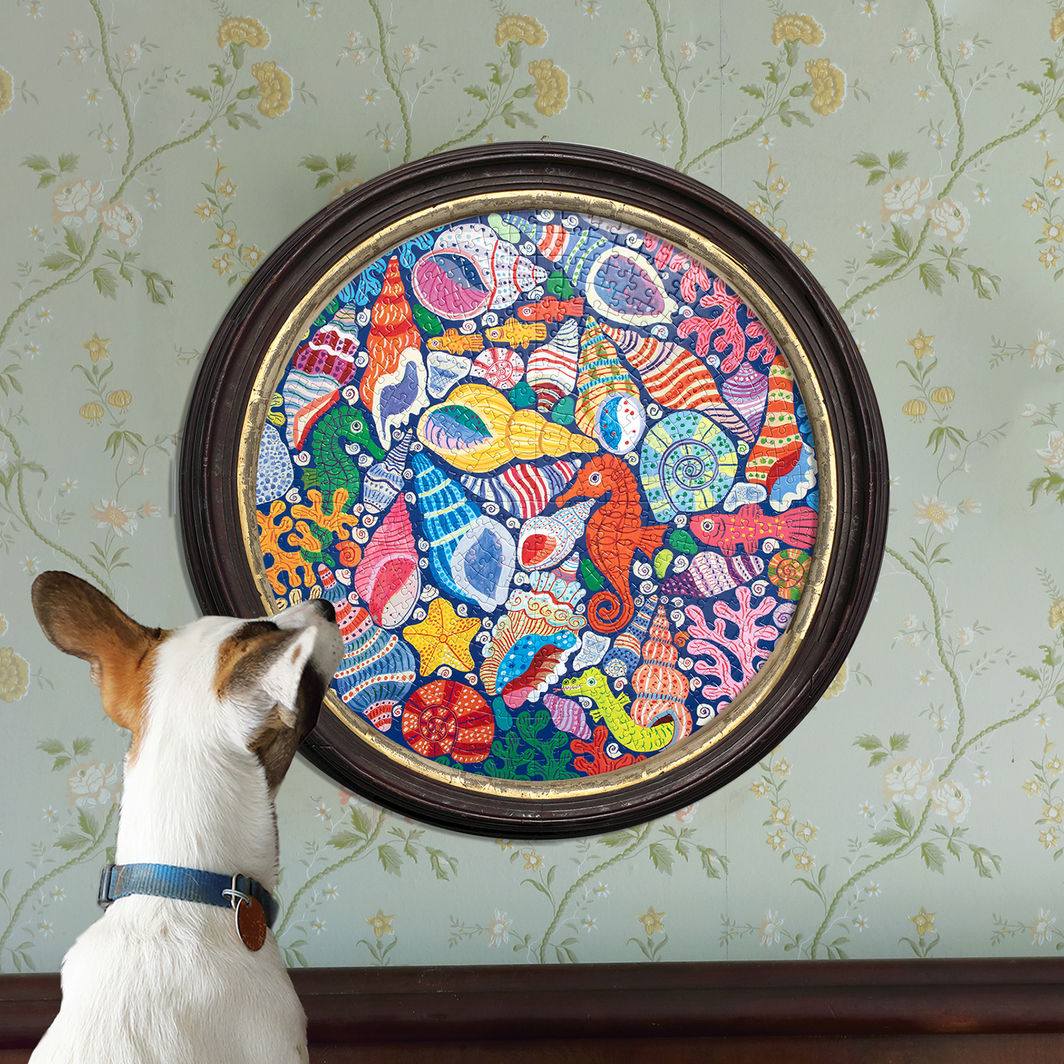
 eeBoo Round Puzzle 500 Pieces, Seahorses Shells & CoralVendor:eeBoo Round Puzzle 500 Pieces, Seahorses Shells & CoralEebooIn stock
- Regular price
-
€33,95 EUR - Sale price
-
€33,95 EUR - Regular price
-
€0,00 EUR
-
 Change Our Globe Jigsaw Puzzle, Nature's Beauty II - 1000 PiecesVendor:Change Our Globe Jigsaw Puzzle, Nature's Beauty II - 1000 PiecesChange our globeIn stock
- Regular price
-
€11,95 EUR - Sale price
-
€11,95 EUR - Regular price
-
€18,95 EUR
-

 eeBoo Puzzle 1000 pcs, Sweet ShoppeVendor:eeBoo Puzzle 1000 pcs, Sweet ShoppeeeBooIn stock
- Regular price
-
€33,95 EUR - Sale price
-
€33,95 EUR - Regular price
-
€0,00 EUR
-

 eeBoo Puzzle 1000 Pieces, Bountiful MushroomsVendor:eeBoo Puzzle 1000 Pieces, Bountiful MushroomseeBooIn stock
- Regular price
-
€33,95 EUR - Sale price
-
€33,95 EUR - Regular price
-
€0,00 EUR
-

 eeBoo Jigsaw Puzzle 1000 Pieces, French Flower GardenVendor:eeBoo Jigsaw Puzzle 1000 Pieces, French Flower GardeneeBooIn stock
- Regular price
-
€33,95 EUR - Sale price
-
€33,95 EUR - Regular price
-
€0,00 EUR
-

 eeBoo Puzzle 1000 Pieces, Sorcerer's DenVendor:eeBoo Puzzle 1000 Pieces, Sorcerer's DeneeBooIn stock
- Regular price
-
€33,95 EUR - Sale price
-
€33,95 EUR - Regular price
-
€0,00 EUR
-

 Moulin Roty Jigsaw Puzzle, 500 pieces – Home of the SchmouksVendor:Moulin Roty Jigsaw Puzzle, 500 pieces – Home of the SchmouksMoulin RotyIn stock
- Regular price
-
€37,95 EUR - Sale price
-
€37,95 EUR - Regular price
-
€0,00 EUR
-

 Djeco Gallery Puzzle – Dreams 350 PiecesVendor:Djeco Gallery Puzzle – Dreams 350 PiecesDjecoIn stock
- Regular price
-
€20,95 EUR - Sale price
-
€20,95 EUR - Regular price
-
€0,00 EUR
-

 eeBoo Puzzle 1000 Pieces, Artists in VeniceVendor:eeBoo Puzzle 1000 Pieces, Artists in VeniceeeBooSold out
- Regular price
-
€33,95 EUR - Sale price
-
€33,95 EUR - Regular price
-
€0,00 EUR
-

 eeBoo Puzzle 1000 Pieces, English Flower ShopVendor:eeBoo Puzzle 1000 Pieces, English Flower ShopeeBooIn stock
- Regular price
-
€33,95 EUR - Sale price
-
€33,95 EUR - Regular price
-
€0,00 EUR
-
 Change Our Globe Puzzle, Pug - 100 PiecesVendor:Change Our Globe Puzzle, Pug - 100 PiecesChange our globeIn stock
- Regular price
-
€8,95 EUR - Sale price
-
€8,95 EUR - Regular price
-
€13,95 EUR
-

 Djeco Gallery Puzzle, La Fiesta - 1000 PiecesVendor:Djeco Gallery Puzzle, La Fiesta - 1000 PiecesDjecoIn stock
- Regular price
-
€20,95 EUR - Sale price
-
€20,95 EUR - Regular price
-
€0,00 EUR
-

 Djeco Puzzle, At the Museum - 500 PiecesVendor:Djeco Puzzle, At the Museum - 500 PiecesDjecoIn stock
- Regular price
-
€23,95 EUR - Sale price
-
€23,95 EUR - Regular price
-
€0,00 EUR
-

 eeBoo Puzzle 1000 Pieces, Scottish IsleVendor:eeBoo Puzzle 1000 Pieces, Scottish IsleeeBooIn stock
- Regular price
-
€33,95 EUR - Sale price
-
€33,95 EUR - Regular price
-
€0,00 EUR
-

 eeBoo Puzzle 1000 Pieces, Naturalist's CatVendor:eeBoo Puzzle 1000 Pieces, Naturalist's CateeBooIn stock
- Regular price
-
€33,95 EUR - Sale price
-
€33,95 EUR - Regular price
-
€0,00 EUR
-
 Educa Puzzle, Jurassic Playground - 500 PiecesVendor:Educa Puzzle, Jurassic Playground - 500 PiecesEducaIn stock
- Regular price
-
€14,95 EUR - Sale price
-
€14,95 EUR - Regular price
-
€0,00 EUR
-

 eeBoo 1000-Piece Puzzle, Paris in AutumnVendor:eeBoo 1000-Piece Puzzle, Paris in AutumneeBooIn stock
- Regular price
-
€33,95 EUR - Sale price
-
€33,95 EUR - Regular price
-
€0,00 EUR
-

 Djeco Gallery Puzzle – A Summer Day 350 PiecesVendor:Djeco Gallery Puzzle – A Summer Day 350 PiecesDjecoIn stock
- Regular price
-
€20,95 EUR - Sale price
-
€20,95 EUR - Regular price
-
€0,00 EUR
-

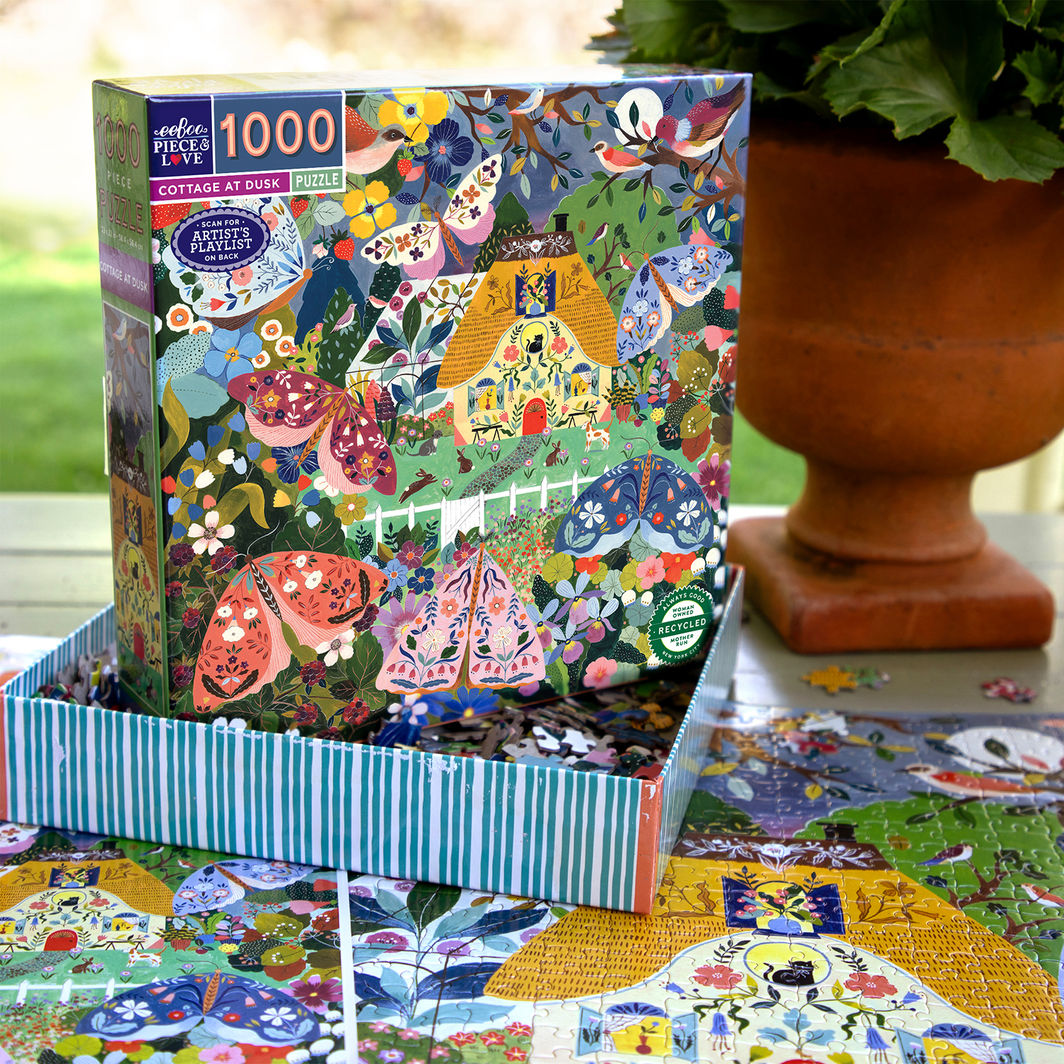
 eeBoo Puzzle 1000 Pieces, Cottage at DuskVendor:eeBoo Puzzle 1000 Pieces, Cottage at DuskEebooIn stock
- Regular price
-
€33,95 EUR - Sale price
-
€33,95 EUR - Regular price
-
€0,00 EUR
-

 Banana Panda Giant Puzzle, Solar System - 300 PiecesVendor:Banana Panda Giant Puzzle, Solar System - 300 PiecesBanana PandaIn stock
- Regular price
-
€45,95 EUR - Sale price
-
€45,95 EUR - Regular price
-
€0,00 EUR
-

 eeBoo 1000-Piece Puzzle, Christmas in EdinburghVendor:eeBoo 1000-Piece Puzzle, Christmas in EdinburgheeBooIn stock
- Regular price
-
€33,95 EUR - Sale price
-
€33,95 EUR - Regular price
-
€0,00 EUR
-

 eeBoo Jigsaw Puzzle, 1,000 Pieces, Country FairVendor:eeBoo Jigsaw Puzzle, 1,000 Pieces, Country FaireeBooIn stock
- Regular price
-
€33,95 EUR - Sale price
-
€33,95 EUR - Regular price
-
€0,00 EUR
-

 eeBoo 1000-Piece Jigsaw Puzzle, New England WharfVendor:eeBoo 1000-Piece Jigsaw Puzzle, New England WharfeeBooIn stock
- Regular price
-
€33,95 EUR - Sale price
-
€33,95 EUR - Regular price
-
€0,00 EUR
-

 Moulin Roty - Puzzle 1000 pcs - Coral ReefVendor:Moulin Roty - Puzzle 1000 pcs - Coral ReefMoulin RotyIn stock
- Regular price
-
€39,95 EUR - Sale price
-
€39,95 EUR - Regular price
-
€0,00 EUR
-

 eeBoo Jigsaw Puzzle, 1,000 Pieces, Artists in AmsterdamVendor:eeBoo Jigsaw Puzzle, 1,000 Pieces, Artists in AmsterdameeBooIn stock
- Regular price
-
€33,95 EUR - Sale price
-
€33,95 EUR - Regular price
-
€0,00 EUR
-

 eeBoo 1000-Piece Puzzle, Autumn CottageVendor:eeBoo 1000-Piece Puzzle, Autumn CottageeeBooIn stock
- Regular price
-
€33,95 EUR - Sale price
-
€33,95 EUR - Regular price
-
€0,00 EUR
-

 eeBoo 1000-Piece Puzzle, English Seaside ChristmasVendor:eeBoo 1000-Piece Puzzle, English Seaside ChristmaseeBooIn stock
- Regular price
-
€33,95 EUR - Sale price
-
€33,95 EUR - Regular price
-
€0,00 EUR
-

 Djeco Gallery Puzzle, Nature's Secret - 1000 PiecesVendor:Djeco Gallery Puzzle, Nature's Secret - 1000 PiecesDjecoIn stock
- Regular price
-
€20,95 EUR - Sale price
-
€20,95 EUR - Regular price
-
€0,00 EUR


Puzzles for children aged 9–10 offer larger scenes, quirky details and enjoyable projects to work on over several days. Find the right puzzle for a 9- or 10-year-old, choosing based on your child’s experience rather than just the number of pieces. Check the minimum age listed for each puzzle.
Puzzles for 9–10-year-olds that invite them to focus and get absorbed.
A great jigsaw puzzle for a 9-year-old
Puzzles for a 10-year-old – 300, 500 or 1,000 pieces?

Puzzles filled with imagination and little stories
Find more puzzles


Puzzles for Older Children with Good Work Habits