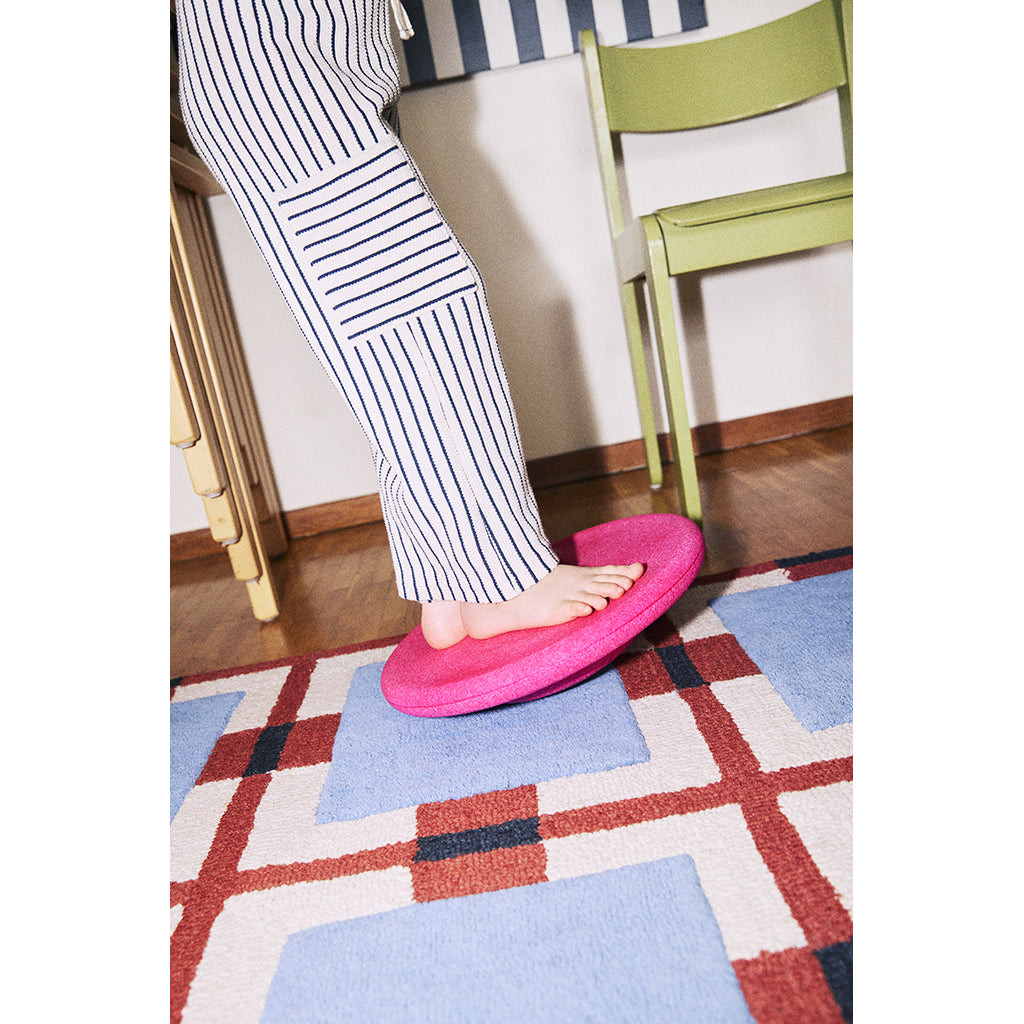
Balance Boards for Kids

A balance board invites children to move, take on little challenges and play with their bodies. Find one that suits your child’s age and abilities, and get inspiration for balance exercises, motor-skill activities and cosy movement breaks at home. At Lirum Larum Leg, you’ll find balance boards with plenty of ways to rock, practise and try again at your child’s own pace.

Sort by
Filter and sort
Filter and sort

8 products

8 products

A balance board invites children to move, take on little challenges and play with their bodies. Find one that suits your child’s age and abilities, and get inspiration for balance exercises, motor-skill activities and cosy movement breaks at home. At Lirum Larum Leg, you’ll find balance boards with plenty of ways to rock, practise and try again at your child’s own pace.

“A balance board makes it fun to give it a go, wobble a little and find your balance again. I love toys that get the body involved in play and make room for little successes, without turning it into a competition.”

Anja Lytzen, owner of Lirum Larum Leg

Mentari, Motorisk balancebræt

Balance Board for Children Who Love to Stay Active
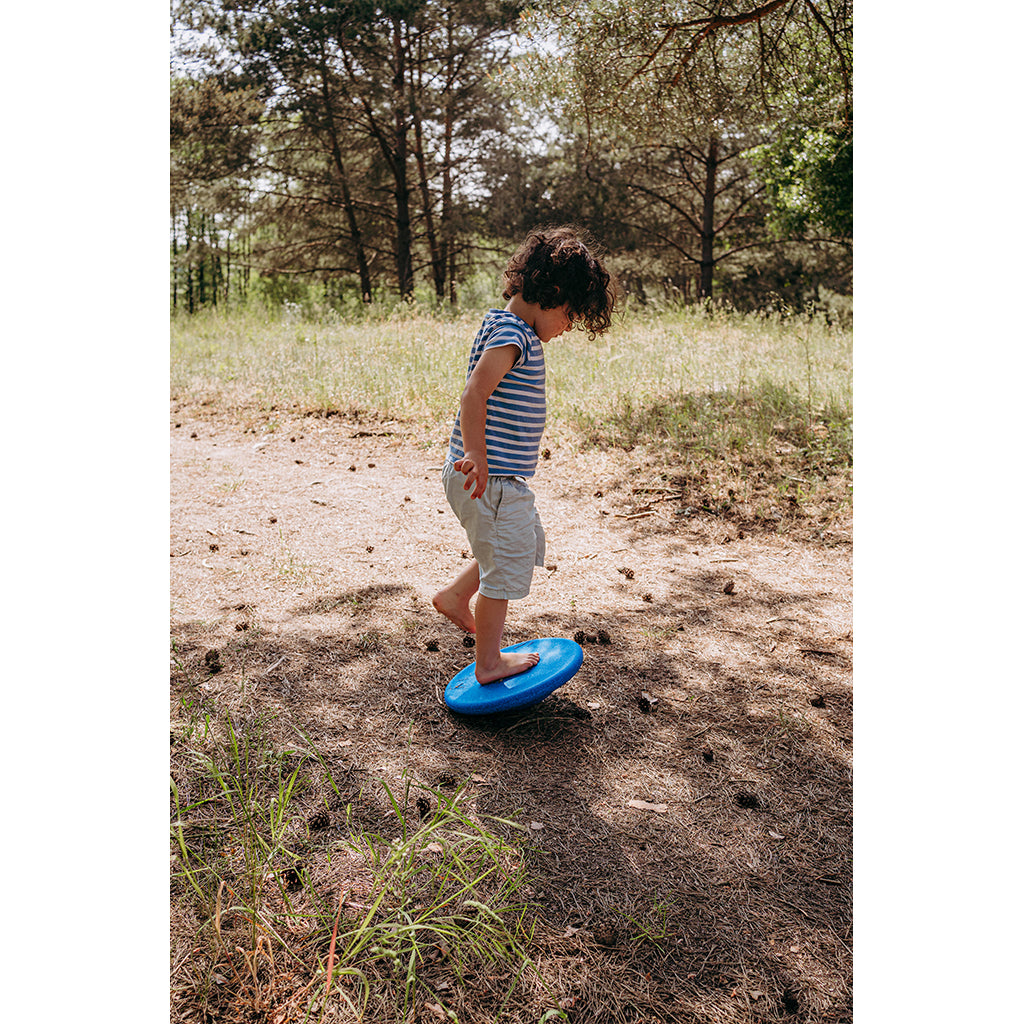
A balance board for children turns small movements into fun play. Your child shifts their weight, feels the board tip and tries to find their balance again. It can be a cosy activity in the playroom or a little movement break in the living room, giving their body a chance to get involved.

At Lirum Larum Leg, you’ll find balance boards that invite children to explore different ways of moving their bodies. Depending on the model, a balance board can make room for both simple balancing exercises and imaginative play. Choose a balance board to suit your child’s age, abilities and eagerness to try something new, and let the play develop at their own pace.

Stapelstein® Balance board - Blue

Balance Board for Developing Motor Skills Through Play

With a balance board for children, even the smallest movement becomes exciting. What happens when your child shifts their weight slightly to one side, and how does their body find its way back to the centre? They can explore gentle rocking movements, with an adult on hand to help when needed. It’s a playful way to practise, with plenty of room to try again.

A balance board gives children the opportunity to develop their balance, coordination and body control through movement. Use it as a fun activity on its own, or make it part of a bigger movement game. There’s no need to go fast or play for long. Sometimes, it’s the small repetitions and the joy of being able to do a little more on their own that make balance play so much fun.

Which Balance Board Is Right for Your Child?

A good balance board for children suits both your child and the kind of play it will be used for. Consider its size, how it moves, its surface and the manufacturer’s age recommendation. Some children like to explore at their own pace, while others are eager to try a new challenge. Choose a model that lets your child get started with the right support.

If you’re looking for a balance board for a child aged 1 or 2, make sure the model is specifically designed for that age group. For older children, other features and ways of moving may be relevant. Balance boards can be made from different materials, and their uses and maximum weight capacities vary. Check the details on each product page to find a board that suits your family’s everyday life.

B Toys Balancebane, Solsystemet - Aktiv leg blandt planeterne

Balance Boards and Balance Courses – Different Ways to Play

A balance board stays in place while your child uses shifts in weight to keep their balance. A balance course, on the other hand, invites them to move from place to place and find their footing on new surfaces. These two types of balance toys offer different experiences and can complement each other in active play at home.

Set up small activity stations with plenty of space between them, so your child can try one activity at a time. Perhaps the play begins with a short trip across a few stepping stones and continues at the balance board. A simple story about islands and the sea can make it even more fun. Keep the board as a standalone station on a suitable, level surface rather than stacking it up high.

Fun Balance Board Exercises for Kids

Balance exercises on a balance board can be a simple, playful way to bring movement into your child’s everyday life. Let your child explore how the board responds to small shifts in weight, and come up with a game that suits their abilities. A balance board doesn’t have to be used for the same activity every time.

  • Start with small, gentle rocking movements on the balance board, with help from an adult if needed.
  • Play a mirror game on the balance board, using simple movements suited to the model.
  • Make the balance board a stop on an adventure through islands, the sea or an imaginary world.
  • Alternate balance board exercises with other movement games on the floor.

Adapt balance training for children so it feels like play rather than a test. A short session on the balance board may be enough, and next time you can repeat a favourite activity. Always follow the board’s instructions, and let your child help decide when it’s time for a break.

Stapelstein® Balance board - Pink

Balance Board from Stapelstein for Play and Movement

A balance board from Stapelstein® invites children to rock, find their balance and add movement to little breaks throughout the day. The brand’s lightweight balance board offers the chance to explore different movements and can be used in a variety of ways, depending on the child’s age and the instructions for the model.

Make the balance board part of a game your child already loves. Perhaps it’s an island on an imaginary journey, or a spot where you take turns showing each other little movements. The most important thing is that your child wants to join in. Give the play time to unfold, offer help when needed and come up with new ideas together when the familiar starts to feel easy.

Make room for balance play in your everyday life.

A balance board makes a lovely gift for children who enjoy moving and trying new things. It can be an activity your child comes back to for a few minutes at a time, or a piece of equipment you use together as part of a bigger game. Make sure there is plenty of clear space around the board, that it is placed on a flat, non-slip surface, and that an adult is on hand to help whenever your child needs it.

At Lirum Larum Leg, you’ll find balance toys and inspiration for an active childhood with plenty of room to practise, laugh and try again. Choose a balance board for children based on the specific age recommendation, and find more toys for active play whenever you feel like expanding the fun.

Questions about children's balance boards

What is a balance board for children?

A balance board is a tilting piece of play equipment that encourages children to shift their weight to find their balance. It offers plenty of opportunities for movement and balance-based play. The shape, materials and features vary from one model to another.

What is the difference between a balance board and a balance board?

Balance board is the English term also used for balance boards for children. The words themselves do not describe a specific type. Look at the board’s shape, features and age recommendation when comparing models.

What is a balance board good for?

A balance board gives children the chance to practise balance, coordination and body control through play. They can explore how small movements change the board’s position and try again at their own pace.

From what age can children use a balance board?

There is no universal age limit for all balance boards. Choose a model recommended by the manufacturer for your child’s age, and adapt play and assistance to your child’s abilities. Always check the specific product description.

Is there a balance board suitable for a 1- or 2-year-old?

Some balance boards are designed for young children. Check the age recommendation for the specific model, and make sure an adult is involved in play. Standing on the board may not be the first way your child explores one that’s suitable for their age.

How do I choose a good balance board for children?

Look for an age-appropriate balance board with the right size, freedom of movement and features. Also consider the surface, the space available at home and any maximum weight limit. A good balance board is one your child can enjoy with the support and guidance they need.

What exercises can children do on a balance board?

Gentle rocking, small shifts in weight and mirror games can make balance exercises fun. A balance board can also be a station in its own right for imaginative movement play. Choose only activities the model is designed for.

How can your child get started with a balance board?

Start on a suitable, flat surface with plenty of space around the board. Let your child explore the movement gently, and offer help as needed. Follow the instructions for the specific model, and keep the first play sessions simple and manageable.

What is the difference between a balance board and a balance path?

On a balance board, the child mainly practises shifting their weight without moving from the spot. On a balance path, the child moves from one surface to the next. The two can complement each other as separate stations, with plenty of space between them.

What kind of surface should a balance board be used on?

The surface must be level and suitable for the specific model, so the board can be used securely with enough clear space around the child. Follow the manufacturer’s instructions on floor type and any floor protection.

Can a balance board be used both indoors and outdoors?

It depends on the material and the manufacturer’s instructions. Some balance boards are designed for both indoor and outdoor use, while others should only be used indoors. Also check how the board should be cleaned and stored.

Is a balance board a good gift for children?

A balance board can make a lovely gift for children who enjoy being active and trying new ways to play. Choose a model that suits your child’s age and abilities, and consider how much space you have to use it at home.