88 products
-

 Djeco Puzzle, World Animals Puzzle - 100 Pieces + BookVendor:Djeco Puzzle, World Animals Puzzle - 100 Pieces + BookDjecoIn stock
- Regular price
-
€18,95 EUR - Sale price
-
€18,95 EUR - Regular price
-
€0,00 EUR
-

 Round Wooden Puzzle with Animal Motifs – 27 PiecesVendor:Round Wooden Puzzle with Animal Motifs – 27 PiecesGokiIn stock
- Regular price
-
€10,95 EUR - Sale price
-
€10,95 EUR - Regular price
-
€0,00 EUR
-

 Djeco Floor Puzzle - Car Track for ChildrenVendor:Djeco Floor Puzzle - Car Track for ChildrenDjecoIn stock
- Regular price
-
€29,95 EUR - Sale price
-
€29,95 EUR - Regular price
-
€0,00 EUR
-

 Djeco Silhouette Puzzle, Princess's Carriage - 54 PiecesVendor:Djeco Silhouette Puzzle, Princess's Carriage - 54 PiecesDjecoIn stock
- Regular price
-
€16,95 EUR - Sale price
-
€16,95 EUR - Regular price
-
€0,00 EUR
-

 Djeco Silhouette Puzzle, Princess Castle – 54 PiecesVendor:Djeco Silhouette Puzzle, Princess Castle – 54 PiecesDjecoIn stock
- Regular price
-
€16,95 EUR - Sale price
-
€16,95 EUR - Regular price
-
€0,00 EUR
-

 Djeco Puzzle, Dinosaur - 100 Pieces + BookVendor:Djeco Puzzle, Dinosaur - 100 Pieces + BookDjecoIn stock
- Regular price
-
€18,95 EUR - Sale price
-
€18,95 EUR - Regular price
-
€0,00 EUR
-

 Djeco Puzzle, World Monuments - 200 PiecesVendor:Djeco Puzzle, World Monuments - 200 PiecesDjecoIn stock
- Regular price
-
€18,95 EUR - Sale price
-
€18,95 EUR - Regular price
-
€0,00 EUR
-

 Djeco Silhouette Puzzle, Fairy - 36 PiecesVendor:Djeco Silhouette Puzzle, Fairy - 36 PiecesDjecoIn stock
- Regular price
-
€16,95 EUR - Sale price
-
€16,95 EUR - Regular price
-
€0,00 EUR
-

 Djeco Silhouette Puzzle, Pirate Ship - 54 PiecesVendor:Djeco Silhouette Puzzle, Pirate Ship - 54 PiecesDjecoIn stock
- Regular price
-
€16,95 EUR - Sale price
-
€16,95 EUR - Regular price
-
€0,00 EUR
-

 Djeco Observation Puzzle – Enchanted Forest, 100 PiecesVendor:Djeco Observation Puzzle – Enchanted Forest, 100 PiecesDjecoIn stock
- Regular price
-
€16,95 EUR - Sale price
-
€16,95 EUR - Regular price
-
€0,00 EUR
-

 Djeco Observation Puzzle – Jungle Animals, 35 PiecesVendor:Djeco Observation Puzzle – Jungle Animals, 35 PiecesDjecoIn stock
- Regular price
-
€16,95 EUR - Sale price
-
€16,95 EUR - Regular price
-
€0,00 EUR
-

 Djeco Silhouette Puzzle, Ballerina - 36 PiecesVendor:Djeco Silhouette Puzzle, Ballerina - 36 PiecesDjecoIn stock
- Regular price
-
€16,95 EUR - Sale price
-
€16,95 EUR - Regular price
-
€0,00 EUR
-

 Djeco Floor Puzzle, Roadways for CarsVendor:Djeco Floor Puzzle, Roadways for CarsDjecoIn stock
- Regular price
-
€18,95 EUR - Sale price
-
€18,95 EUR - Regular price
-
€0,00 EUR
-
 Djeco Puzzle, Under the Sea - 54 PiecesVendor:Djeco Puzzle, Under the Sea - 54 PiecesDjecoIn stock
- Regular price
-
€16,95 EUR - Sale price
-
€16,95 EUR - Regular price
-
€0,00 EUR
-

 Djeco Observation Puzzle, Pirate - 100 PiecesVendor:Djeco Observation Puzzle, Pirate - 100 PiecesDjecoIn stock
- Regular price
-
€16,95 EUR - Sale price
-
€16,95 EUR - Regular price
-
€0,00 EUR
-

 Djeco Observation Puzzle – Horses, 200 PiecesVendor:Djeco Observation Puzzle – Horses, 200 PiecesDjecoIn stock
- Regular price
-
€16,95 EUR - Sale price
-
€16,95 EUR - Regular price
-
€0,00 EUR
-

 Solar System Puzzle - 100 PiecesVendor:Solar System Puzzle - 100 PiecesEebooIn stock
- Regular price
-
€23,95 EUR - Sale price
-
€23,95 EUR - Regular price
-
€0,00 EUR
-

 Djeco Silhouette Puzzle, Leo the Panda - 24 PiecesVendor:Djeco Silhouette Puzzle, Leo the Panda - 24 PiecesDjecoIn stock
- Regular price
-
€16,95 EUR - Sale price
-
€16,95 EUR - Regular price
-
€0,00 EUR
-

 B Toys Floor Puzzle, Under the SeaVendor:B Toys Floor Puzzle, Under the SeaB ToysIn stock
- Regular price
-
€21,95 EUR - Sale price
-
€21,95 EUR - Regular price
-
€0,00 EUR
-

 Vilac Magnetic Dress-Up DollVendor:Vilac Magnetic Dress-Up DollVilacIn stock
- Regular price
-
€44,95 EUR - Sale price
-
€44,95 EUR - Regular price
-
€0,00 EUR
-
 Eeboo Puzzle, Dinoland – 20 PiecesVendor:Eeboo Puzzle, Dinoland – 20 PiecesEebooIn stock
- Regular price
-
€14,95 EUR - Sale price
-
€14,95 EUR - Regular price
-
€0,00 EUR
-

 Londji Puzzle, Discover the Planets, Glow in the Dark - 200 PiecesVendor:Londji Puzzle, Discover the Planets, Glow in the Dark - 200 PiecesLondjiSold out
- Regular price
-
€30,95 EUR - Sale price
-
€30,95 EUR - Regular price
-
€0,00 EUR
-

 Djeco Silhouette Puzzle, Kokeishi - 36 PiecesVendor:Djeco Silhouette Puzzle, Kokeishi - 36 PiecesDjecoIn stock
- Regular price
-
€7,95 EUR - Sale price
-
€7,95 EUR - Regular price
-
€13,95 EUR
-

 B Toys Floor Puzzle, DinoVendor:B Toys Floor Puzzle, DinoB ToysIn stock
- Regular price
-
€21,95 EUR - Sale price
-
€21,95 EUR - Regular price
-
€0,00 EUR
-

 Djeco Floor Puzzle, Floor Puzzle - Construction SiteVendor:Djeco Floor Puzzle, Floor Puzzle - Construction SiteDjecoIn stock
- Regular price
-
€20,95 EUR - Sale price
-
€20,95 EUR - Regular price
-
€0,00 EUR
-

 Djeco Observation Puzzle, Dance School - 100 PiecesVendor:Djeco Observation Puzzle, Dance School - 100 PiecesDjecoIn stock
- Regular price
-
€17,95 EUR - Sale price
-
€17,95 EUR - Regular price
-
€0,00 EUR
-

 Eeboo Puzzle, Dinoland - 100 PiecesVendor:Eeboo Puzzle, Dinoland - 100 PiecesEebooSold out
- Regular price
-
€23,95 EUR - Sale price
-
€23,95 EUR - Regular price
-
€0,00 EUR
-

 Djeco Sensory Puzzle, Sea - 24+8 PiecesVendor:Djeco Sensory Puzzle, Sea - 24+8 PiecesDjecoIn stock
- Regular price
-
€20,95 EUR - Sale price
-
€20,95 EUR - Regular price
-
€0,00 EUR
-

 Djeco Observation Puzzle, Garden - 36 PiecesVendor:Djeco Observation Puzzle, Garden - 36 PiecesDjecoIn stock
- Regular price
-
€16,95 EUR - Sale price
-
€16,95 EUR - Regular price
-
€0,00 EUR
-
 Eeboo Jumbo Puzzle, Ocean - 48 PiecesVendor:Eeboo Jumbo Puzzle, Ocean - 48 PiecesEebooIn stock
- Regular price
-
€29,95 EUR - Sale price
-
€29,95 EUR - Regular price
-
€0,00 EUR
-

 Djeco Silhouette Puzzle, Mermaid Ella - 36 PiecesVendor:Djeco Silhouette Puzzle, Mermaid Ella - 36 PiecesDjecoIn stock
- Regular price
-
€16,95 EUR - Sale price
-
€16,95 EUR - Regular price
-
€0,00 EUR
-

 B Toys Floor Puzzle, The Solar SystemVendor:B Toys Floor Puzzle, The Solar SystemB ToysIn stock
- Regular price
-
€21,95 EUR - Sale price
-
€21,95 EUR - Regular price
-
€0,00 EUR
-

 Eeboo Jumbo Puzzle, The Land – 48 PiecesVendor:Eeboo Jumbo Puzzle, The Land – 48 PiecesEebooIn stock
- Regular price
-
€29,95 EUR - Sale price
-
€29,95 EUR - Regular price
-
€0,00 EUR
-

 Janod Puzzle in Carry Case, World - 100 PiecesVendor:Janod Puzzle in Carry Case, World - 100 PiecesJanodIn stock
- Regular price
-
€27,95 EUR - Sale price
-
€27,95 EUR - Regular price
-
€0,00 EUR
-

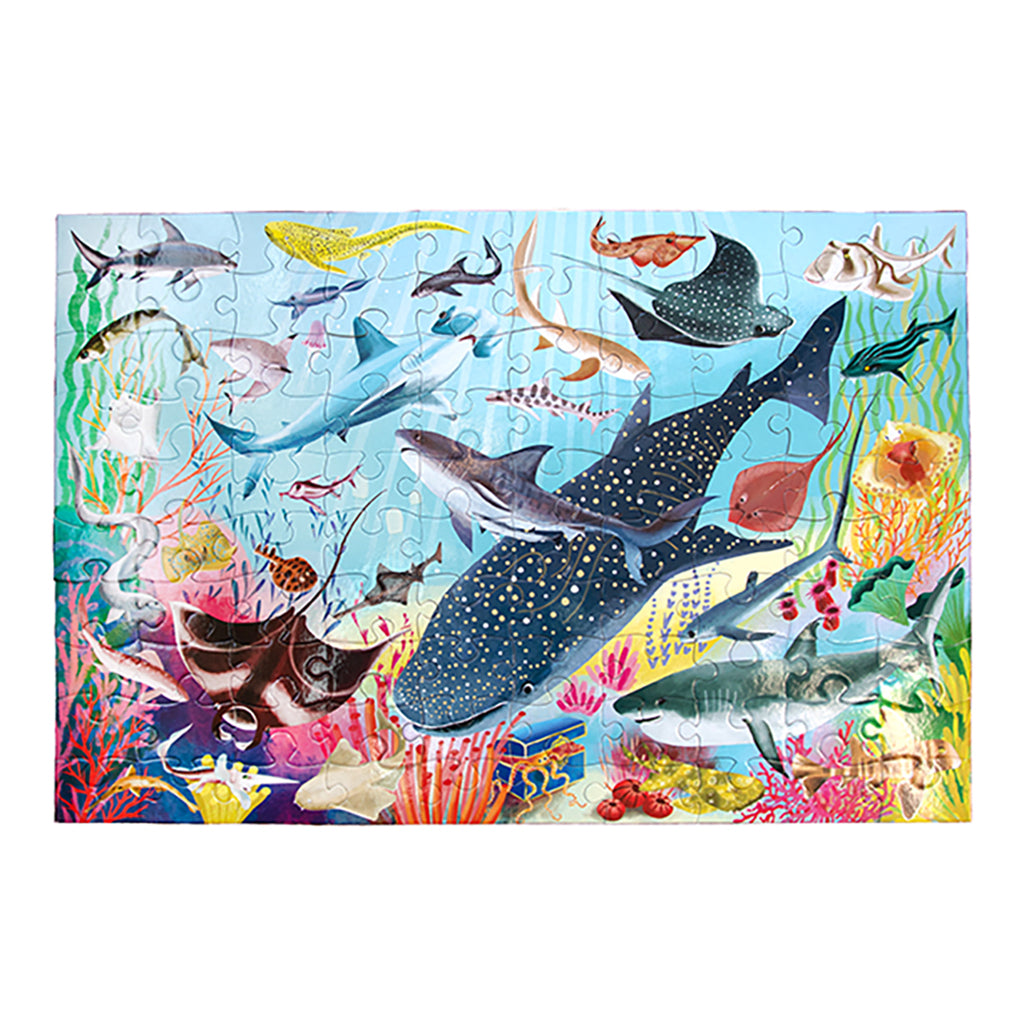
 Eeboo Puzzle, Sharks in the Deep - 100 PiecesVendor:Eeboo Puzzle, Sharks in the Deep - 100 PiecesEebooIn stock
- Regular price
-
€23,95 EUR - Sale price
-
€23,95 EUR - Regular price
-
€0,00 EUR
-
 eeBoo Puzzle with 20 Pieces, The Forest's Winter AnimalsVendor:eeBoo Puzzle with 20 Pieces, The Forest's Winter AnimalseeBooIn stock
- Regular price
-
€16,95 EUR - Sale price
-
€16,95 EUR - Regular price
-
€0,00 EUR
-

 Londji Puzzle, My Jungle, 140 cm - 34 PiecesVendor:Londji Puzzle, My Jungle, 140 cm - 34 PiecesLondjiSold out
- Regular price
-
€28,95 EUR - Sale price
-
€28,95 EUR - Regular price
-
€0,00 EUR
-

 Djeco Observation Puzzle, City - 200 PiecesVendor:Djeco Observation Puzzle, City - 200 PiecesDjecoIn stock
- Regular price
-
€17,95 EUR - Sale price
-
€17,95 EUR - Regular price
-
€0,00 EUR
-
 eeBoo Puzzle with 20 Pieces, Sharks and FriendsVendor:eeBoo Puzzle with 20 Pieces, Sharks and FriendsEebooIn stock
- Regular price
-
€14,95 EUR - Sale price
-
€14,95 EUR - Regular price
-
€0,00 EUR
-

 Djeco Silhouette Puzzle, Tractor - 16 PiecesVendor:Djeco Silhouette Puzzle, Tractor - 16 PiecesDjecoIn stock
- Regular price
-
€10,95 EUR - Sale price
-
€10,95 EUR - Regular price
-
€0,00 EUR
-

 Janod Puzzle, City - 36 PiecesVendor:Janod Puzzle, City - 36 PiecesJanodIn stock
- Regular price
-
€27,95 EUR - Sale price
-
€27,95 EUR - Regular price
-
€0,00 EUR
-

 Djeco Crazy Motors Puzzle, Road - 26 PiecesVendor:Djeco Crazy Motors Puzzle, Road - 26 PiecesDjecoIn stock
- Regular price
-
€17,95 EUR - Sale price
-
€17,95 EUR - Regular price
-
€0,00 EUR
-

 Moulin Roty, Puzzle 100 Pieces, The Secret Hideout - Les RosaliesVendor:Moulin Roty, Puzzle 100 Pieces, The Secret Hideout - Les RosaliesMoulin RotyIn stock
- Regular price
-
€21,95 EUR - Sale price
-
€21,95 EUR - Regular price
-
€0,00 EUR
-

 Djeco Silhouette Puzzle, Dinosauren Theo, 24 piecesVendor:Djeco Silhouette Puzzle, Dinosauren Theo, 24 piecesDjecoIn stock
- Regular price
-
€16,95 EUR - Sale price
-
€16,95 EUR - Regular price
-
€0,00 EUR
-

 Eeboo Puzzle, Modes of Transportation - 20 piecesVendor:Eeboo Puzzle, Modes of Transportation - 20 piecesEebooIn stock
- Regular price
-
€14,95 EUR - Sale price
-
€14,95 EUR - Regular price
-
€0,00 EUR
-

 Educa Puzzle, World Map - 200 PiecesVendor:Educa Puzzle, World Map - 200 PiecesEducaSold out
- Regular price
-
€10,95 EUR - Sale price
-
€10,95 EUR - Regular price
-
€0,00 EUR
-
 Eeboo Jumbo Puzzle, City - 48 PiecesVendor:Eeboo Jumbo Puzzle, City - 48 PiecesEebooIn stock
- Regular price
-
€16,95 EUR - Sale price
-
€16,95 EUR - Regular price
-
€27,95 EUR
-
 Educa Puzzle, The Solar System - 150 PiecesVendor:Educa Puzzle, The Solar System - 150 PiecesEducaSold out
- Regular price
-
€12,95 EUR - Sale price
-
€12,95 EUR - Regular price
-
€0,00 EUR
-

 Londji Puzzle, I Want to Be a Fireman - 36 PiecesVendor:Londji Puzzle, I Want to Be a Fireman - 36 PiecesLondjiSold out
- Regular price
-
€28,95 EUR - Sale price
-
€28,95 EUR - Regular price
-
€0,00 EUR
-

 eeBoo Puzzle with 20 Pieces - Garden AnimalsVendor:eeBoo Puzzle with 20 Pieces - Garden AnimalsEebooIn stock
- Regular price
-
€16,95 EUR - Sale price
-
€16,95 EUR - Regular price
-
€0,00 EUR
-

 Janod Puzzle, Construction - 36 PiecesVendor:Janod Puzzle, Construction - 36 PiecesJanodSold out
- Regular price
-
€28,95 EUR - Sale price
-
€28,95 EUR - Regular price
-
€0,00 EUR
-
 eeBoo Jumbo Puzzle – 48 Pieces, The Solar SystemVendor:eeBoo Jumbo Puzzle – 48 Pieces, The Solar SystemEebooIn stock
- Regular price
-
€17,95 EUR - Sale price
-
€17,95 EUR - Regular price
-
€29,95 EUR
-

 Educa Puzzle, Dinosaurs World Map - 150 PiecesVendor:Educa Puzzle, Dinosaurs World Map - 150 PiecesEducaSold out
- Regular price
-
€12,95 EUR - Sale price
-
€12,95 EUR - Regular price
-
€0,00 EUR
-

 Vilac Wooden Puzzle, 6 x 3 Pieces - Jules by Ingela P ArrheniusVendor:Vilac Wooden Puzzle, 6 x 3 Pieces - Jules by Ingela P ArrheniusVilacIn stock
- Regular price
-
€18,95 EUR - Sale price
-
€18,95 EUR - Regular price
-
€0,00 EUR
-

 eeBoo Puzzle 100 Pieces, Love from the OctopusVendor:eeBoo Puzzle 100 Pieces, Love from the OctopusEebooIn stock
- Regular price
-
€25,95 EUR - Sale price
-
€25,95 EUR - Regular price
-
€0,00 EUR
-

 Djeco Silhouette Puzzle, The Dalmatian Ollie - 24 PiecesVendor:Djeco Silhouette Puzzle, The Dalmatian Ollie - 24 PiecesDjecoIn stock
- Regular price
-
€16,95 EUR - Sale price
-
€16,95 EUR - Regular price
-
€0,00 EUR
-

 Djeco Gallery Puzzle, Music in the Woods - 200 PiecesVendor:Djeco Gallery Puzzle, Music in the Woods - 200 PiecesDjecoIn stock
- Regular price
-
€20,95 EUR - Sale price
-
€20,95 EUR - Regular price
-
€0,00 EUR
-

 Crazy Motors City Road Puzzle - 33 PiecesVendor:Crazy Motors City Road Puzzle - 33 PiecesDjecoIn stock
- Regular price
-
€29,95 EUR - Sale price
-
€29,95 EUR - Regular price
-
€0,00 EUR
-

 Eeboo Puzzle, Spring - 20 PiecesVendor:Eeboo Puzzle, Spring - 20 PiecesEebooIn stock
- Regular price
-
€14,95 EUR - Sale price
-
€14,95 EUR - Regular price
-
€0,00 EUR
-
 Educa Puzzle, Dinosaur - 100 PiecesVendor:Educa Puzzle, Dinosaur - 100 PiecesEducaSold out
- Regular price
-
€9,95 EUR - Sale price
-
€9,95 EUR - Regular price
-
€0,00 EUR


Puzzles for children aged 5–6 are full of adventure and details, with the joy of finding the next piece all by themselves. Here, you’ll find great puzzles for 5- and 6-year-olds, including picture puzzles and seek-and-find puzzles. Choose a design and difficulty level to suit your child’s experience, and check the minimum age listed on the product.

Puzzles for curious 5–6-year-olds

A good jigsaw puzzle for a 5-year-old
Puzzles for 6-year-olds: piece count and difficulty level
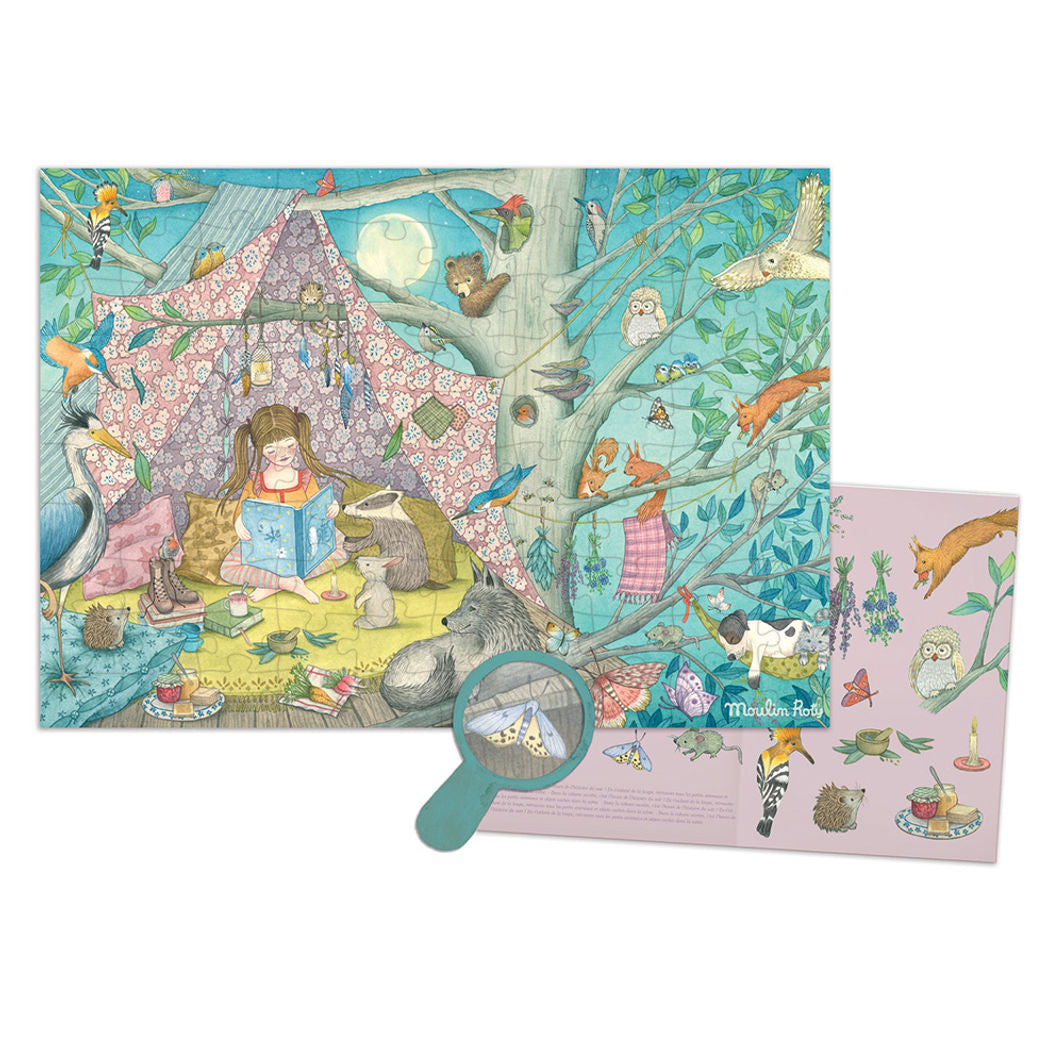
Observation puzzles for children aged 5–6
Find more puzzles


Puzzles for preschoolers that let them find their own solutions.