98 products
-

 Round Wooden Puzzle with Animal Motifs – 27 PiecesVendor:Round Wooden Puzzle with Animal Motifs – 27 PiecesGokiIn stock
- Regular price
-
€10,95 EUR - Sale price
-
€10,95 EUR - Regular price
-
€0,00 EUR
-

 Djeco Floor Puzzle - Car Track for ChildrenVendor:Djeco Floor Puzzle - Car Track for ChildrenDjecoIn stock
- Regular price
-
€29,95 EUR - Sale price
-
€29,95 EUR - Regular price
-
€0,00 EUR
-

 Djeco Duo Puzzle, NumbersVendor:Djeco Duo Puzzle, NumbersDjecoIn stock
- Regular price
-
€10,95 EUR - Sale price
-
€10,95 EUR - Regular price
-
€0,00 EUR
-

 Djeco Silhouette Puzzle, Fairy - 36 PiecesVendor:Djeco Silhouette Puzzle, Fairy - 36 PiecesDjecoIn stock
- Regular price
-
€16,95 EUR - Sale price
-
€16,95 EUR - Regular price
-
€0,00 EUR
-

 Djeco Puzzle, Marmoset and His FriendsVendor:Djeco Puzzle, Marmoset and His FriendsDjecoIn stock
- Regular price
-
€17,95 EUR - Sale price
-
€17,95 EUR - Regular price
-
€0,00 EUR
-

 Djeco Observation Puzzle – Jungle Animals, 35 PiecesVendor:Djeco Observation Puzzle – Jungle Animals, 35 PiecesDjecoIn stock
- Regular price
-
€16,95 EUR - Sale price
-
€16,95 EUR - Regular price
-
€0,00 EUR
-

 Djeco Silhouette Puzzle – Ice Cream Truck, 16 PiecesVendor:Djeco Silhouette Puzzle – Ice Cream Truck, 16 PiecesDjecoIn stock
- Regular price
-
€10,95 EUR - Sale price
-
€10,95 EUR - Regular price
-
€0,00 EUR
-

 Djeco Silhouette Puzzle, Fire Truck - 16 PiecesVendor:Djeco Silhouette Puzzle, Fire Truck - 16 PiecesDjecoIn stock
- Regular price
-
€10,95 EUR - Sale price
-
€10,95 EUR - Regular price
-
€0,00 EUR
-

 Vilac Wooden Puzzles, Zoo - Set of 4Vendor:Vilac Wooden Puzzles, Zoo - Set of 4VilacIn stock
- Regular price
-
€20,95 EUR - Sale price
-
€20,95 EUR - Regular price
-
€0,00 EUR
-

 Djeco Silhouette Puzzle, Ballerina - 36 PiecesVendor:Djeco Silhouette Puzzle, Ballerina - 36 PiecesDjecoIn stock
- Regular price
-
€16,95 EUR - Sale price
-
€16,95 EUR - Regular price
-
€0,00 EUR
-

 Djeco Floor Puzzle, Roadways for CarsVendor:Djeco Floor Puzzle, Roadways for CarsDjecoIn stock
- Regular price
-
€18,95 EUR - Sale price
-
€18,95 EUR - Regular price
-
€0,00 EUR
-

 Djeco Duo Puzzle – AnimalsVendor:Djeco Duo Puzzle – AnimalsDjecoIn stock
- Regular price
-
€10,95 EUR - Sale price
-
€10,95 EUR - Regular price
-
€0,00 EUR
-
 Djeco Puzzle, Under the Sea - 54 PiecesVendor:Djeco Puzzle, Under the Sea - 54 PiecesDjecoIn stock
- Regular price
-
€16,95 EUR - Sale price
-
€16,95 EUR - Regular price
-
€0,00 EUR
-

 Vilac Wooden Jigsaw Puzzle, Home Theme – Set of 4Vendor:Vilac Wooden Jigsaw Puzzle, Home Theme – Set of 4VilacIn stock
- Regular price
-
€20,95 EUR - Sale price
-
€20,95 EUR - Regular price
-
€0,00 EUR
-

 Vilac Wooden Puzzle, The Seasons - Set of 4Vendor:Vilac Wooden Puzzle, The Seasons - Set of 4VilacIn stock
- Regular price
-
€20,95 EUR - Sale price
-
€20,95 EUR - Regular price
-
€0,00 EUR
-

 Djeco Silhouette Puzzle, Cat - 24 PiecesVendor:Djeco Silhouette Puzzle, Cat - 24 PiecesDjecoIn stock
- Regular price
-
€16,95 EUR - Sale price
-
€16,95 EUR - Regular price
-
€0,00 EUR
-
 Djeco Wooden Puzzle with Blocks - TouranimoVendor:Djeco Wooden Puzzle with Blocks - TouranimoDjecoIn stock
- Regular price
-
€18,95 EUR - Sale price
-
€18,95 EUR - Regular price
-
€0,00 EUR
-

 Djeco Silhouette Puzzle, Leo the Panda - 24 PiecesVendor:Djeco Silhouette Puzzle, Leo the Panda - 24 PiecesDjecoIn stock
- Regular price
-
€16,95 EUR - Sale price
-
€16,95 EUR - Regular price
-
€0,00 EUR
-

 Djeco Duo Puzzle, AnimalsVendor:Djeco Duo Puzzle, AnimalsDjecoIn stock
- Regular price
-
€10,95 EUR - Sale price
-
€10,95 EUR - Regular price
-
€0,00 EUR
-

 B Toys Floor Puzzle, Under the SeaVendor:B Toys Floor Puzzle, Under the SeaB ToysIn stock
- Regular price
-
€21,95 EUR - Sale price
-
€21,95 EUR - Regular price
-
€0,00 EUR
-

 Djeco Puzzle Duo, DinosaursVendor:Djeco Puzzle Duo, DinosaursDjecoIn stock
- Regular price
-
€10,95 EUR - Sale price
-
€10,95 EUR - Regular price
-
€0,00 EUR
-

 Vilac Magnetic Dress-Up DollVendor:Vilac Magnetic Dress-Up DollVilacIn stock
- Regular price
-
€44,95 EUR - Sale price
-
€44,95 EUR - Regular price
-
€0,00 EUR
-

 Djeco Silhouette Puzzle, Race Car - 16 PiecesVendor:Djeco Silhouette Puzzle, Race Car - 16 PiecesDjecoIn stock
- Regular price
-
€10,95 EUR - Sale price
-
€10,95 EUR - Regular price
-
€0,00 EUR
-
 Eeboo Puzzle, Dinoland – 20 PiecesVendor:Eeboo Puzzle, Dinoland – 20 PiecesEebooIn stock
- Regular price
-
€14,95 EUR - Sale price
-
€14,95 EUR - Regular price
-
€0,00 EUR
-

 Djeco Silhouette Puzzle, Kokeishi - 36 PiecesVendor:Djeco Silhouette Puzzle, Kokeishi - 36 PiecesDjecoIn stock
- Regular price
-
€7,95 EUR - Sale price
-
€7,95 EUR - Regular price
-
€13,95 EUR
-

 B Toys Floor Puzzle, DinoVendor:B Toys Floor Puzzle, DinoB ToysIn stock
- Regular price
-
€21,95 EUR - Sale price
-
€21,95 EUR - Regular price
-
€0,00 EUR
-

 Djeco Floor Puzzle, Floor Puzzle - Construction SiteVendor:Djeco Floor Puzzle, Floor Puzzle - Construction SiteDjecoIn stock
- Regular price
-
€20,95 EUR - Sale price
-
€20,95 EUR - Regular price
-
€0,00 EUR
-

 Vilac Wooden Puzzle, Dog by Andy WestfaceVendor:Vilac Wooden Puzzle, Dog by Andy WestfaceVilacIn stock
- Regular price
-
€18,95 EUR - Sale price
-
€18,95 EUR - Regular price
-
€0,00 EUR
-

 Djeco Sensory Puzzle, Sea - 24+8 PiecesVendor:Djeco Sensory Puzzle, Sea - 24+8 PiecesDjecoIn stock
- Regular price
-
€20,95 EUR - Sale price
-
€20,95 EUR - Regular price
-
€0,00 EUR
-

 B Toys Puzzle, 4-in-1 - Construction VehiclesVendor:B Toys Puzzle, 4-in-1 - Construction VehiclesB ToysIn stock
- Regular price
-
€29,95 EUR - Sale price
-
€29,95 EUR - Regular price
-
€0,00 EUR
-

 Eeboo Jumbo Puzzle, Bedtime - 10 PiecesVendor:Eeboo Jumbo Puzzle, Bedtime - 10 PiecesEebooIn stock
- Regular price
-
€13,95 EUR - Sale price
-
€13,95 EUR - Regular price
-
€23,95 EUR
-

 Melissa & Doug Magnetic Wooden Puzzle with Fishing Rod, 10 PiecesVendor:Melissa & Doug Magnetic Wooden Puzzle with Fishing Rod, 10 PiecesMelissa & DougIn stock
- Regular price
-
€20,95 EUR - Sale price
-
€20,95 EUR - Regular price
-
€0,00 EUR
-

 Djeco Observation Puzzle, Garden - 36 PiecesVendor:Djeco Observation Puzzle, Garden - 36 PiecesDjecoIn stock
- Regular price
-
€16,95 EUR - Sale price
-
€16,95 EUR - Regular price
-
€0,00 EUR
-
 Eeboo Jumbo Puzzle, Ocean - 48 PiecesVendor:Eeboo Jumbo Puzzle, Ocean - 48 PiecesEebooIn stock
- Regular price
-
€29,95 EUR - Sale price
-
€29,95 EUR - Regular price
-
€0,00 EUR
-
 Educa Puzzle Set: Wild Animals - 4 Jigsaw Puzzles with 12, 16, 20, and 25 PiecesVendor:Educa Puzzle Set: Wild Animals - 4 Jigsaw Puzzles with 12, 16, 20, and 25 PiecesEducaSold out
- Regular price
-
€10,95 EUR - Sale price
-
€10,95 EUR - Regular price
-
€0,00 EUR
-

 Djeco Observation Puzzle, Birthday - 54 PiecesVendor:Djeco Observation Puzzle, Birthday - 54 PiecesDjecoIn stock
- Regular price
-
€17,95 EUR - Sale price
-
€17,95 EUR - Regular price
-
€0,00 EUR
-

 Djeco Silhouette Puzzle, Mermaid Ella - 36 PiecesVendor:Djeco Silhouette Puzzle, Mermaid Ella - 36 PiecesDjecoIn stock
- Regular price
-
€16,95 EUR - Sale price
-
€16,95 EUR - Regular price
-
€0,00 EUR
-

 B Toys Floor Puzzle, The Solar SystemVendor:B Toys Floor Puzzle, The Solar SystemB ToysIn stock
- Regular price
-
€21,95 EUR - Sale price
-
€21,95 EUR - Regular price
-
€0,00 EUR
-

 Eeboo Jumbo Puzzle, The Land – 48 PiecesVendor:Eeboo Jumbo Puzzle, The Land – 48 PiecesEebooIn stock
- Regular price
-
€29,95 EUR - Sale price
-
€29,95 EUR - Regular price
-
€0,00 EUR
-

 Janod Puzzle, 4-in-1 with Progressive Difficulty, 6, 9, 12, and 16 Pieces - DinosaurVendor:Janod Puzzle, 4-in-1 with Progressive Difficulty, 6, 9, 12, and 16 Pieces - DinosaurJanodIn stock
- Regular price
-
€27,95 EUR - Sale price
-
€27,95 EUR - Regular price
-
€0,00 EUR
-
 Djeco puslespil Trio, StoriesVendor:Djeco puslespil Trio, StoriesDjecoSold out
- Regular price
-
€5,95 EUR - Sale price
-
€5,95 EUR - Regular price
-
€10,95 EUR
-
 eeBoo Puzzle with 20 Pieces, The Forest's Winter AnimalsVendor:eeBoo Puzzle with 20 Pieces, The Forest's Winter AnimalseeBooIn stock
- Regular price
-
€16,95 EUR - Sale price
-
€16,95 EUR - Regular price
-
€0,00 EUR
-

 Londji Puzzle, My Jungle, 140 cm - 34 PiecesVendor:Londji Puzzle, My Jungle, 140 cm - 34 PiecesLondjiSold out
- Regular price
-
€28,95 EUR - Sale price
-
€28,95 EUR - Regular price
-
€0,00 EUR
-

 Djeco Puzzle Trio, The Jungle AdventureVendor:Djeco Puzzle Trio, The Jungle AdventureDjecoIn stock
- Regular price
-
€10,95 EUR - Sale price
-
€10,95 EUR - Regular price
-
€0,00 EUR
-
 eeBoo Puzzle with 20 Pieces, Sharks and FriendsVendor:eeBoo Puzzle with 20 Pieces, Sharks and FriendsEebooIn stock
- Regular price
-
€14,95 EUR - Sale price
-
€14,95 EUR - Regular price
-
€0,00 EUR
-

 Djeco Silhouette Puzzle, Tractor - 16 PiecesVendor:Djeco Silhouette Puzzle, Tractor - 16 PiecesDjecoIn stock
- Regular price
-
€10,95 EUR - Sale price
-
€10,95 EUR - Regular price
-
€0,00 EUR
-

 Janod Puzzle, City - 36 PiecesVendor:Janod Puzzle, City - 36 PiecesJanodIn stock
- Regular price
-
€27,95 EUR - Sale price
-
€27,95 EUR - Regular price
-
€0,00 EUR
-

 Djeco Puzzle Duo – ColoursVendor:Djeco Puzzle Duo – ColoursDjecoIn stock
- Regular price
-
€9,95 EUR - Sale price
-
€9,95 EUR - Regular price
-
€0,95 EUR
-

 Djeco Crazy Motors Puzzle, Road - 26 PiecesVendor:Djeco Crazy Motors Puzzle, Road - 26 PiecesDjecoIn stock
- Regular price
-
€17,95 EUR - Sale price
-
€17,95 EUR - Regular price
-
€0,00 EUR
-

 Educa Puzzle Set, 4 Puzzles, Rescue Patrol - 6, 9, 12, and 16 PiecesVendor:Educa Puzzle Set, 4 Puzzles, Rescue Patrol - 6, 9, 12, and 16 PiecesEducaSold out
- Regular price
-
€10,95 EUR - Sale price
-
€10,95 EUR - Regular price
-
€0,00 EUR
-

 B Toys Puzzle, 4-in-1 - DinoVendor:B Toys Puzzle, 4-in-1 - DinoB ToysIn stock
- Regular price
-
€29,95 EUR - Sale price
-
€29,95 EUR - Regular price
-
€0,00 EUR
-

 Djeco Silhouette Puzzle, Dinosauren Theo, 24 piecesVendor:Djeco Silhouette Puzzle, Dinosauren Theo, 24 piecesDjecoIn stock
- Regular price
-
€16,95 EUR - Sale price
-
€16,95 EUR - Regular price
-
€0,00 EUR
-

 Eeboo Puzzle, Modes of Transportation - 20 piecesVendor:Eeboo Puzzle, Modes of Transportation - 20 piecesEebooIn stock
- Regular price
-
€14,95 EUR - Sale price
-
€14,95 EUR - Regular price
-
€0,00 EUR
-
 Eeboo Jumbo Puzzle, City - 48 PiecesVendor:Eeboo Jumbo Puzzle, City - 48 PiecesEebooIn stock
- Regular price
-
€16,95 EUR - Sale price
-
€16,95 EUR - Regular price
-
€27,95 EUR
-

 Janod Puzzle, Firefighters - 24 PiecesVendor:Janod Puzzle, Firefighters - 24 PiecesJanodIn stock
- Regular price
-
€27,95 EUR - Sale price
-
€27,95 EUR - Regular price
-
€0,00 EUR
-

 Londji Puzzle, I Want to Be a Fireman - 36 PiecesVendor:Londji Puzzle, I Want to Be a Fireman - 36 PiecesLondjiSold out
- Regular price
-
€28,95 EUR - Sale price
-
€28,95 EUR - Regular price
-
€0,00 EUR
-

 Vilac Wooden Puzzle 4x9 Pieces, Goldilocks by Ingela P. ArrheniusVendor:Vilac Wooden Puzzle 4x9 Pieces, Goldilocks by Ingela P. ArrheniusVilacIn stock
- Regular price
-
€24,95 EUR - Sale price
-
€24,95 EUR - Regular price
-
€0,00 EUR
-

 eeBoo Puzzle with 20 Pieces - Garden AnimalsVendor:eeBoo Puzzle with 20 Pieces - Garden AnimalsEebooIn stock
- Regular price
-
€16,95 EUR - Sale price
-
€16,95 EUR - Regular price
-
€0,00 EUR
-

 Janod Puzzle, Construction - 36 PiecesVendor:Janod Puzzle, Construction - 36 PiecesJanodSold out
- Regular price
-
€28,95 EUR - Sale price
-
€28,95 EUR - Regular price
-
€0,00 EUR
-

 Educa Puzzle Set, 4 Farm Animal Puzzles - 6, 9, 12, and 16 PiecesVendor:Educa Puzzle Set, 4 Farm Animal Puzzles - 6, 9, 12, and 16 PiecesEducaSold out
- Regular price
-
€10,95 EUR - Sale price
-
€10,95 EUR - Regular price
-
€0,00 EUR


Find puzzles for children aged 3–4, with large pieces, adorable characters and exciting pictures to put together. Get inspired to find the perfect puzzle for a 3- or 4-year-old, from simple beginner designs to floor puzzles and fun observation challenges. Choose one based on your child’s experience and the product’s recommended minimum age.
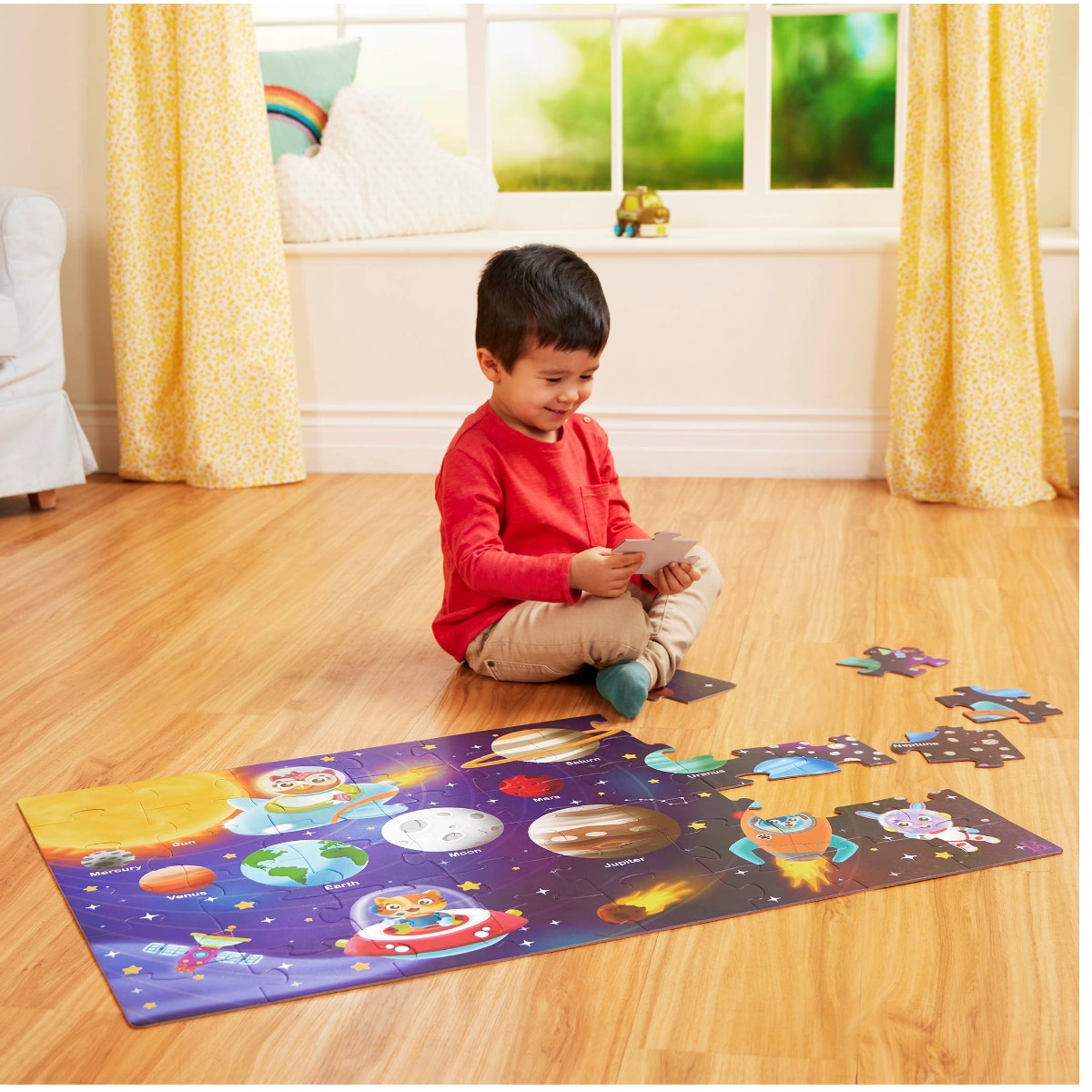
Jigsaw puzzles for children aged 3–4, each with a little story to discover.
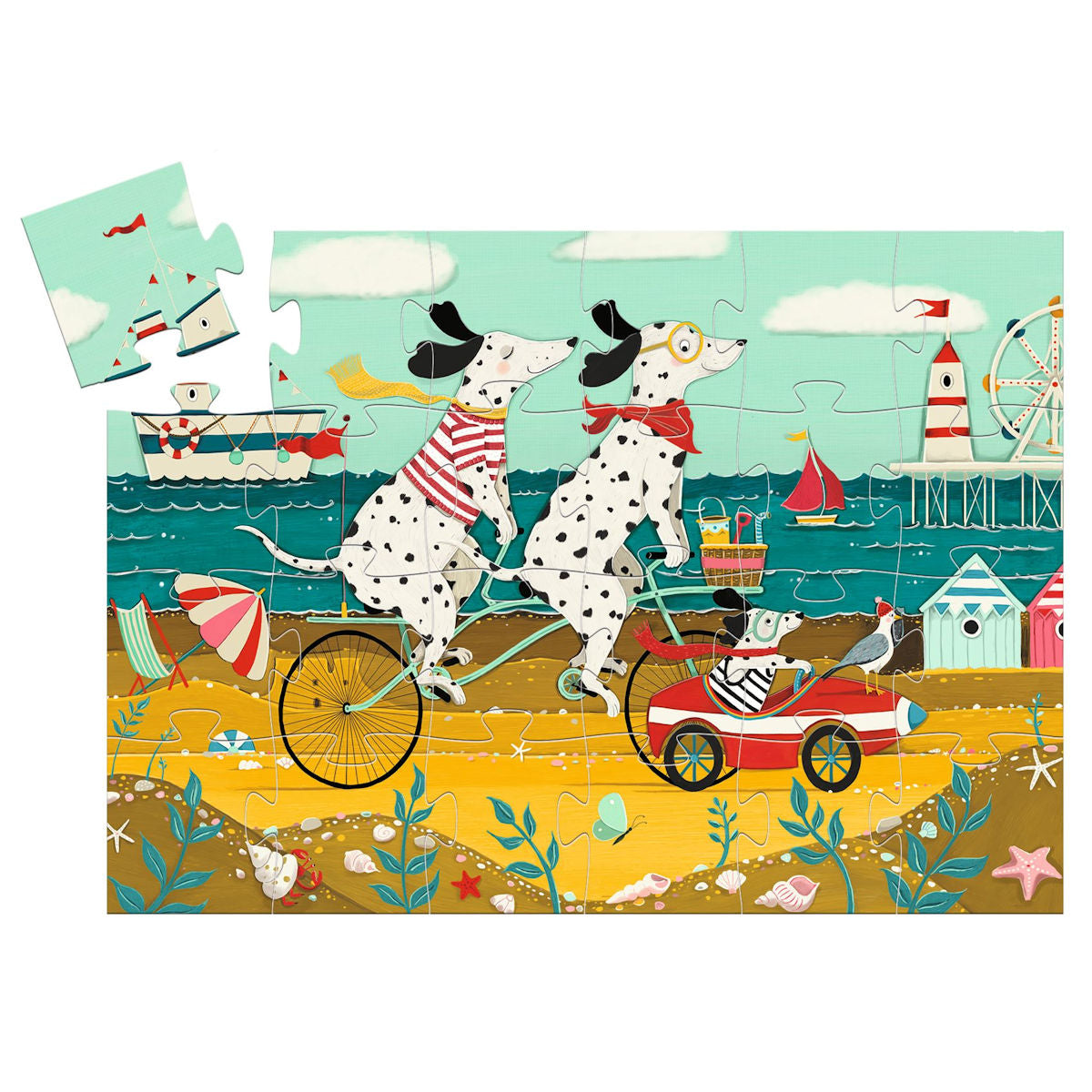
A good puzzle for a 3-year-old
Puzzles for a 4-year-old – how many pieces?

Floor puzzles for 3–4-year-olds
Find more puzzles


Puzzles with shapes, colours and stories