

Observation Games for Kids

Look-and-find games for children invite them to spot, recognise and find little details. Here you’ll find fun search-and-match games that make pictures and careful observation part of the fun. Choose a game to suit your child’s age, interests and the number of players.
Sort by
Filter and sort
Filter and sort

14 products

14 products

Look-and-find games for children invite them to spot, recognise and find little details. Here you’ll find fun search-and-match games that make pictures and careful observation part of the fun. Choose a game to suit your child’s age, interests and the number of players.

“It’s so lovely to watch a child spot the little detail the rest of us have missed. Observation games give us something to be curious about together – and create lots of little moments of a delighted ‘I found it!’” – Anja Lytzen, owner of Lirum Larum Leg

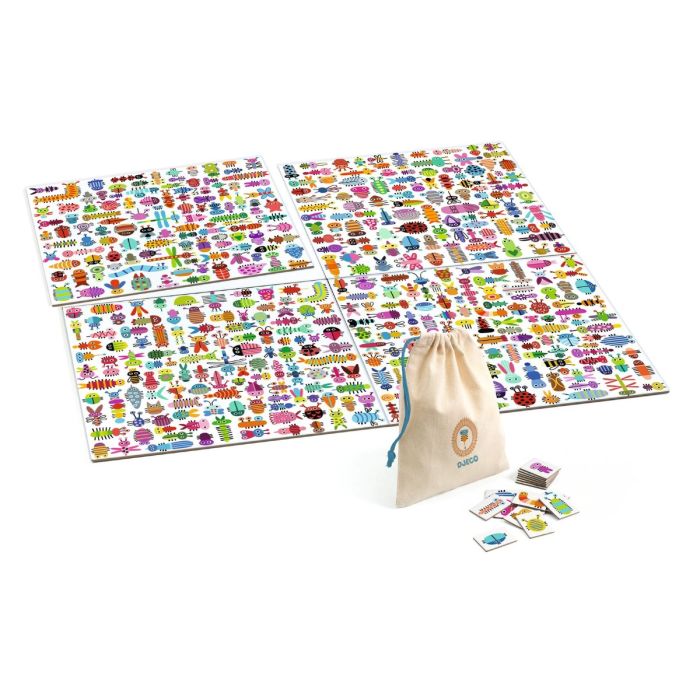
Djeco spil, Crazy Tiny beasts, Observationsspil – spilleplader og stofpose

Observation game for children with an eye for detail
Where is the little butterfly hiding, and who will be the first to spot the right picture? Observation games for children turn exploring a game board or comparing pictures on cards into play. These little discoveries give you plenty to talk about, and often it’s the child who surprises the adults with a sharp eye.

At Lirum Larum Leg, you’ll find observation games with a variety of themes and ways to play. Some are about finding a particular picture among many, while others challenge you to spot the symbol they have in common. Choose a theme your child will love, and let the first round be a cosy introduction to the rules.

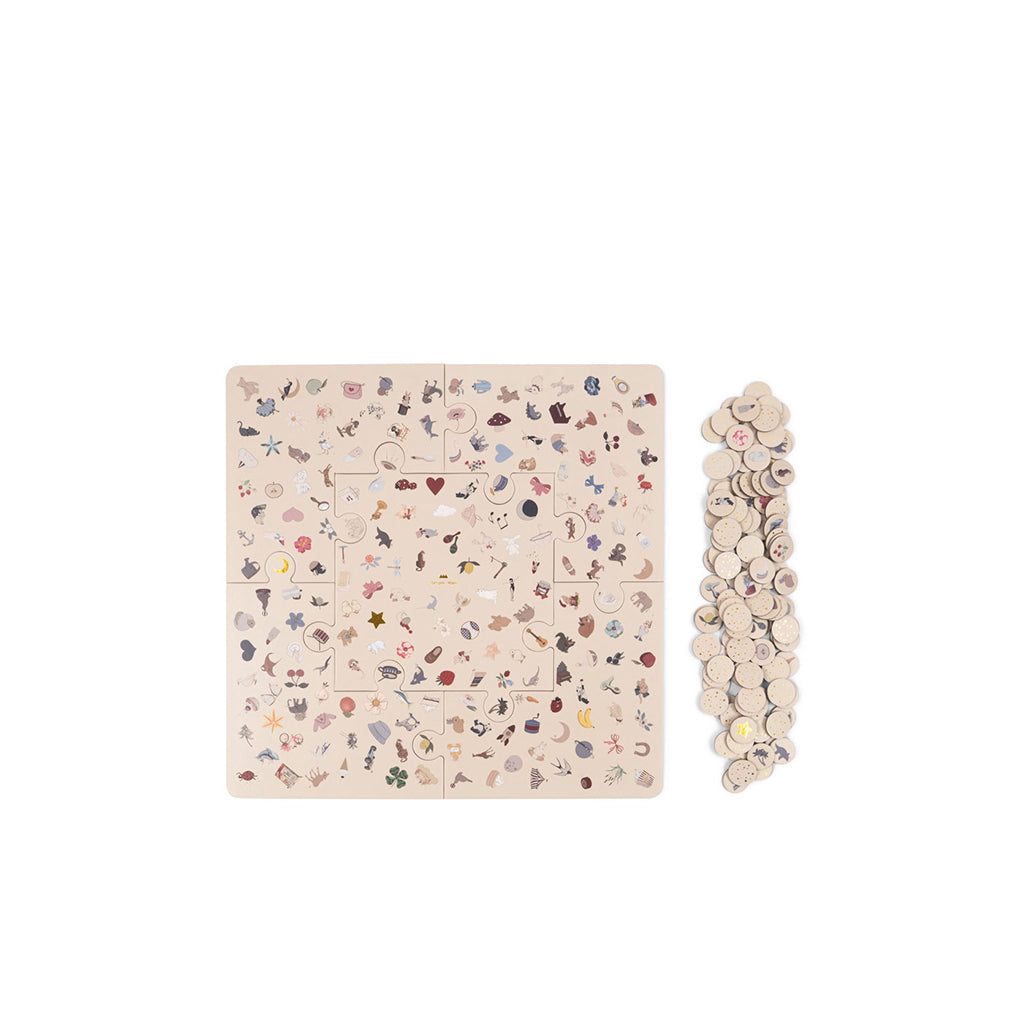
Konges Sløjd, Søg og find spil – spilleplade og brikker set ovenfra

Find and Match: An Observation Game

In a find-and-match game, children look for a connection: an animal, a colour or a picture that matches the task. A clear game board and easy-to-recognise pictures can make it easier to get started. On the other hand, a busy scene full of details gives more for an experienced player to explore.

The range includes observation games from Djeco and Konges Sløjd. Each game is different, so focus on the task rather than just the box. Do players need to find identical pictures, spot something specific or compare several cards? This can help you decide which kind of picture game your child will enjoy.

Choose an observation game that’s right for your child.
A good observation game for a 3- or 4-year-old has rules and pictures the child can easily understand. Check the recommended age and, if you like, start by looking at the pictures together. A game for young children isn’t necessarily easier just because it has lots of pieces; familiar tasks are a good place to start.

For children aged 5 or 6, an observation game with more details or cards can offer new challenges. Older children may also enjoy spot-and-match games, where speed and keeping track of things play a bigger role. Choose a game that suits your child’s experience, and agree in advance whether you’ll play a practice round before the competition begins.

  • Choose an observation game with a suitable minimum age and easy-to-follow rules.
  • Look for spot-and-match activities your child will enjoy exploring.
  • Check the number of players and how much space you’ll need before buying.
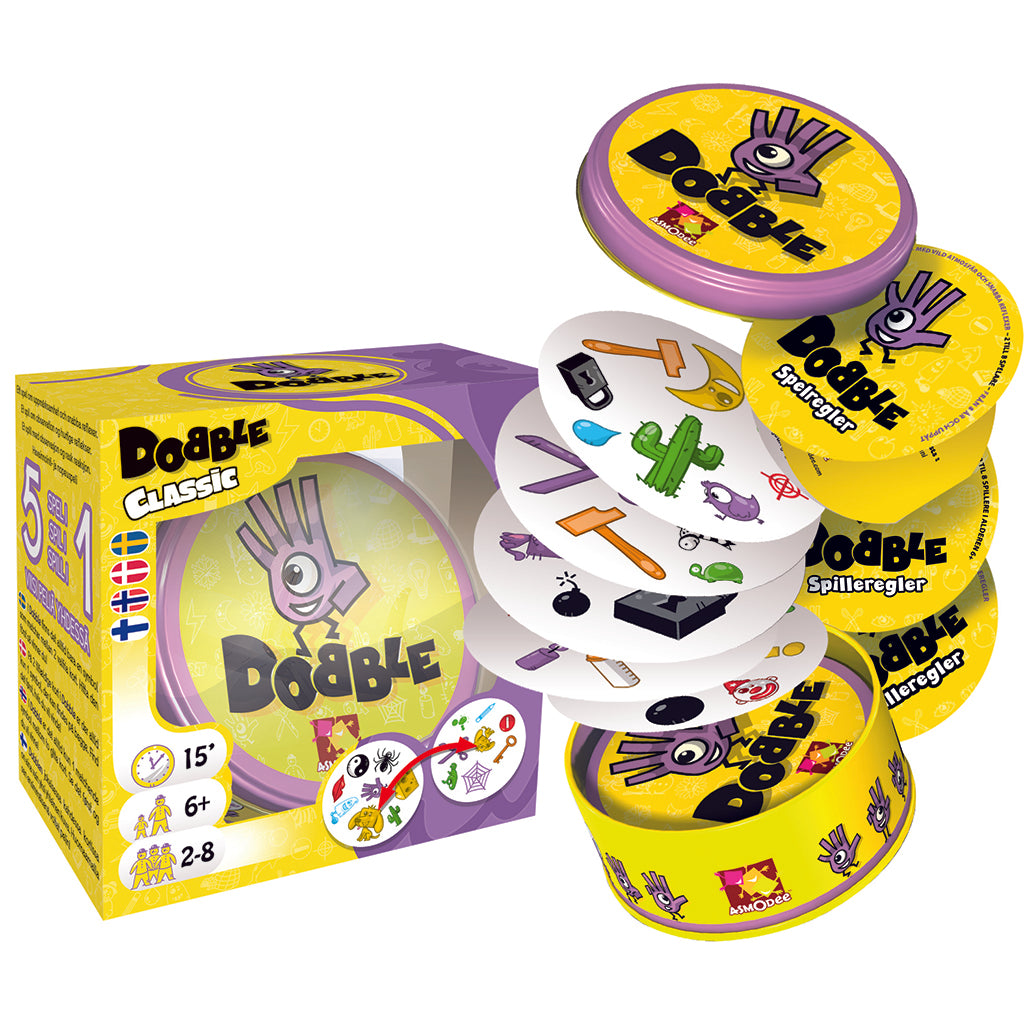
Dobble Nordic ECo, Observationsspil, Find og match

A card-based observation game for short breaks

An observation card game is a lovely choice when there’s time for a quick round. The pictures give everyone a shared task, even if players have different levels of reading experience. Some card games are all about quick reactions, while others leave more time to look closely and compare.

Dobble and the picture-based card games in our selection offer different ways to put observation skills to use. Always check the playing time, minimum age and number of players for each game. If you’re taking it on holiday, it’s also worth checking the size of the box and how much space you’ll need to lay out the cards.

An observation game that helps children develop their ability to take in the whole picture.
When your child looks for a particular picture, they have a chance to spot similarities, differences and little details. For example, ask what made the picture easy to recognise. This way, an observation game can encourage both conversation and concentration, without making playtime feel like a task.

An observation game and a memory game don’t necessarily follow the same rules. In a memory game, you typically try to remember where the hidden tiles are; in many observation games, you search among pictures that are already visible. Some games combine the two. If your child would rather find pairs and remember where they are, a memory game could be a lovely next choice.

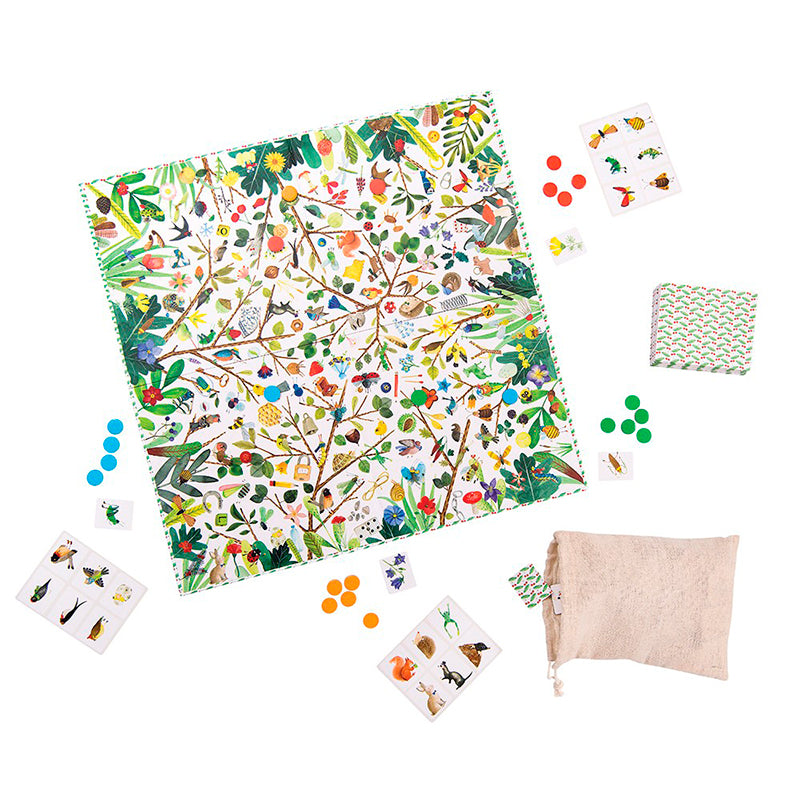
Moulin Roty observationsspil, Le jardin

An observation game for family game nights.

Children and adults alike can have great fun searching for the same little details. A family observation game can be just the thing for an afternoon at home, a visit to the grandparents or a rainy day at the holiday cottage. Choose a game suited to the number of people who will actually be playing.

Not every observation game is a race. Find out how your particular game decides the winner of a round, and take your time learning the rules. If you adapt the rules for a practice round, agree on the changes together. To begin with, the most important thing is that everyone knows what to look for and is keen to play again.

Discover your next observation game.

A fun seek-and-find game makes a lovely gift for a child who loves spotting details in pictures. Ask which games they already know, then choose a new theme or a different way to play. A small card game and a game with a large picture board can offer very different experiences.

At Lirum Larum Leg, we love children’s games that bring people together and leave room for curiosity. Check the product information for age recommendations, number of players and contents before making your choice. You can also explore our other games for children for inspiration for more peaceful moments and shared laughter.

Questions about observation games for children

What is an observation game for children?

It’s a game where you use your eyes to find, recognise or compare pictures and details. The rules vary: some games involve finding a specific image, while others challenge you to spot a symbol shared by several pictures.

Which observation game is suitable for young children?

Choose a game with a suitable minimum age, clear illustrations and few rules. For a 3- or 4-year-old, a manageable task can be a good starting point. Always check the age recommendation for each game.

Are observation games and memory games the same thing?

Not necessarily. In a memory game, you typically remember the locations of hidden pictures. In many observation games, you search among visible images. Some games combine memory and observation.

Should an observation game be timed?

It depends on the rules. Some games reward quick reactions, while others give you time to study the images. Read the description, and consider getting a feel for the game with a relaxed practice round.

Does the child need to know how to read?

Many observation games use pictures and symbols throughout, allowing an adult to read the rules aloud. Check the specific game, as some activities may have different requirements.

Can observation games be played by two players?

Yes, several of the games can be played by two people. Others are designed for a different group size. Check the number of players listed on the product if the game will mainly be played by one child and one adult.

Is an observation game a good gift?

It can make a lovely gift for a child who enjoys spotting details and playing with others. Choose one based on the child’s age, the theme and the family’s preferred way to play.

Which brands make observation games?

The selection includes observation games from Djeco, Konges Sløjd and Moulin Roty, among others. Our range may change, so see which games are currently available on this page.

What is a find-and-match game?

It’s a game where you look for pictures or symbols that match. The specific task and how to win depend on the rules.

What can your child practise with observation games?

Your child gets to compare pictures, spot details and explain what they see. Above all, the game is about having fun together.

Are observation games good to take on holiday?

A compact picture card game can be handy on holiday. Check the size of the box, the number of loose pieces and how much table space the game requires.

How do you teach your child the rules?

Start by looking at the pictures together, explaining the aim and trying one round at a relaxed pace. Then follow the rules and leave plenty of room for questions along the way.